The Hidden Costs Behind Your Rent: Work Out the Total Cost of Occupying a Site Before You Choose
A shophouse with cheaper rent can turn out more expensive once renovation, extra electrical capacity, neighbourhood fees and empty months are counted. Learn how to calculate the total cost of occupancy and compare sites fairly.
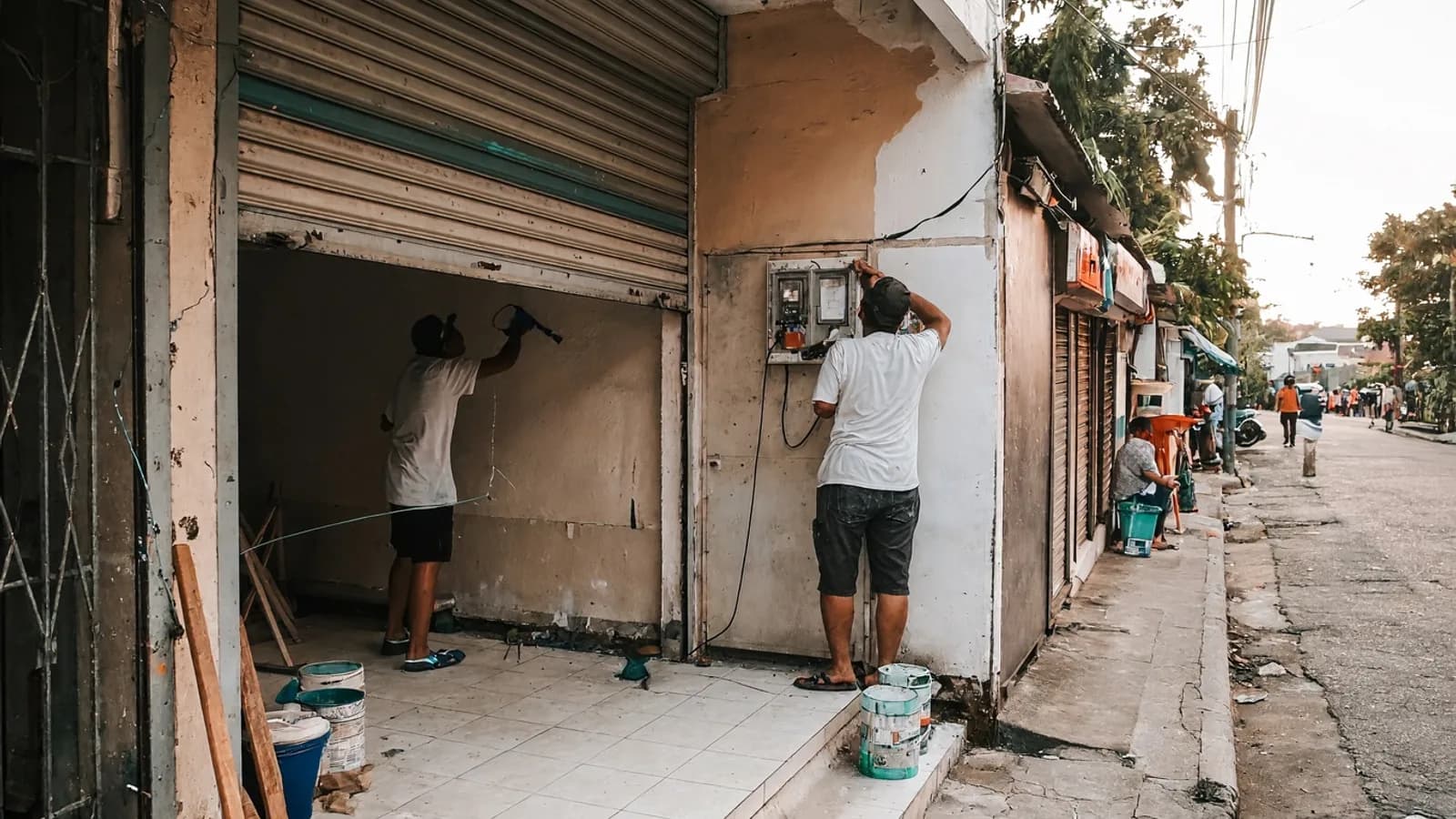
When comparing two potential business spaces, most of us look at one number first: the annual rent. Yet once the lease is signed, other bills start arriving: renovation that costs more than expected, electrical capacity that needs upgrading, security fees, and rent that keeps running while the shop is not yet open. The result is that the site that looked cheaper can become the more expensive choice.
This article helps you work out the total cost of occupancy for a site, meaning every cost that arises because you chose that address, not just the rent. With this figure you can compare several candidate locations fairly before you decide.
Why the Rent Alone Is Misleading
Landlords set rent based on what nearby properties charge, not on the condition of the building or the needs of your business. A tidy shophouse with enough power and no flooding may be offered at slightly higher rent than an empty unit that needs a full overhaul. The rent gap is obvious; the cost of fixing the cheaper unit often goes uncounted.
Some costs are one-off (renovation, power upgrades), some are recurring (neighbourhood fees, service charges), and some only appear when you leave (restoring the building to its original state). Unless you gather them into one calculation, they are easy to forget.
Costs Beyond Rent That Are Often Missed
1. One-off costs at the start
Renovation and fit-out: paint, flooring, ceilings, partitions, sinks, drainage, awnings, or a damaged roller shutter.
Electrical capacity upgrade: laundries, coffee shops and workshops often need more power than is installed. Ask PLN directly about the official cost and how long it takes.
Water supply: whether the unit is connected to the municipal supply (PDAM), relies on a well, or needs an extra pump and tank.
Basic security: window grilles, locks, CCTV and front lighting.
Signage: making the sign and, in many areas, a local advertising tax set by the regional government.
Agent and paperwork fees: property agent commission, and notary or legalisation fees for the lease if needed.
Internet: installation costs, especially if fixed-line networks have not yet reached that street.
2. Recurring costs while you occupy
Neighbourhood fees: security, cleaning, rubbish collection, RT/RW contributions, or a shophouse estate management fee.
Service charges and shared promotion fees in malls and shopping centres.
Lease-related taxes: the contract should state clearly who pays the land and building tax (PBB) and the income tax on rent. Check the current rules with the tax office or a tax adviser.
Staff parking or daily parking fees if there is no dedicated space.
Site-specific upkeep: for example a water pump in the rainy season in flood-prone areas, or clearing drains that often block.
3. Time costs and exit costs
Empty months: rent is running while the shop is being renovated and earning nothing. The bigger the renovation, the longer this period.
Deposit: usually returned at the end of the lease, but your money is tied up for the whole term and may be reduced for damage.
Restoring the original condition: many leases require tenants to remove partitions, signs or installations when they leave.
How to Calculate Total Occupancy Cost per Month
The key is to convert every cost into a monthly figure over the lease term. That way a large up-front renovation bill can be compared directly with monthly rent.
List every component for each candidate site using the categories above. Do not enter zero until you have actually checked.
Get real estimates: bring a builder or contractor to see the site, ask PLN about a power upgrade, and ask neighbourhood officials or neighbouring businesses about fees.
Separate one-off and recurring costs. Recurring costs go straight in as monthly amounts.
Divide one-off costs by the number of months in the lease. On a two-year lease, divide by 24. Treat exit costs the same way.
Work out the cost of empty months: monthly rent times the expected renovation period, divided by the lease term.
Add everything up to get a total monthly occupancy cost, then compare sites.
Illustrative example: Shophouse A vs Shophouse B
The figures below are an illustration of the method, not market prices. Say you are comparing two shophouses on a two-year (24-month) lease. Shophouse A costs Rp60 million a year and is in fairly good condition. Shophouse B is cheaper at Rp48 million a year, but needs major renovation, a power upgrade, and sits in an area that sometimes floods.
Component (per month, illustrative) | Shophouse A | Shophouse B |
|---|---|---|
Rent | Rp5.00 million | Rp4.00 million |
Renovation (A Rp20m, B Rp45m, divided by 24) | Rp0.83 million | Rp1.88 million |
Power upgrade (B Rp6m, divided by 24) | Rp0 | Rp0.25 million |
Neighbourhood and security fees | Rp0.30 million | Rp0.50 million |
Empty months during renovation (A 1 month, B 2 months, divided by 24) | Rp0.21 million | Rp0.33 million |
Removal on exit (A Rp5m, B Rp10m, divided by 24) | Rp0.21 million | Rp0.42 million |
Flood precautions: pump and repairs (B Rp4m, divided by 24) | Rp0 | Rp0.17 million |
Total occupancy cost | ≈ Rp6.55 million | ≈ Rp7.55 million |
In this illustration, Shophouse B, whose rent is Rp1 million a month cheaper, ends up roughly Rp1 million a month more expensive once everything is counted, before even considering lost sales when the road outside floods. The result could easily go the other way in your case, which is exactly why every figure needs checking on site.
What about the deposit?
The deposit is left out of the total because in principle you get it back. Still, record it separately as part of your start-up cash requirement. Two sites with the same monthly total can need very different amounts of cash on day one, and that matters if your capital is limited.
The Lease Term Changes the Maths
A Rp45 million renovation feels heavy on a one-year lease but much lighter spread over five years. So a site that needs a lot of work only makes sense if you can secure a long enough term, or a renewal right with a clearly defined increase. On the other hand, if you are still testing the market, a ready-to-use unit with minimal renovation may be safer even if the rent is a little higher.
Compare sites by their total monthly cost over the lease, not by the rent on the listing.
Field Checklist: Questions for the Landlord, Neighbours and Builders
Take this list on your site visits and fill it in for each candidate location.
What electrical capacity is installed now, and is it enough for my equipment?
Is water from PDAM or a well? Does it hold up in the dry season?
Has the site ever flooded? Ask neighbouring businesses, not just the landlord.
What are the monthly security, cleaning and rubbish fees, and who collects them?
Who pays the PBB and the tax on rent?
Is there a service charge or shared promotion fee (malls and shopping centres)?
What state are the roof, ceiling, floor and drains in? Any signs of leaks or cracks?
Must I restore the building to its original condition when I leave?
Is there a rent-free period during renovation?
How big is the deposit, when is it returned, and what can be deducted?
Are there signage rules from the estate manager, and a local advertising tax?
Is fixed-line internet already available on this street?
Renovation cost and time estimates from at least two builders or contractors.
Common Mistakes
Budgeting renovation only for the shopfront and forgetting wiring, water and drainage.
Assuming neighbourhood fees are trivial and not asking, when in some areas they add up.
Forgetting that rent starts on the contract date, not the day you open.
Not reading the restoration clause and being caught out by removal costs at the end of the lease.
Using a refundable deposit as a reason to ignore the cash you need up front.
Conclusion: Compare Sites With One Honest Number
Rent is only the starting point. Before choosing, gather every cost that comes with a site, turn it into a monthly figure over the lease term, and compare candidates side by side. Once you know the total occupancy cost, check it against your expected revenue and break-even point. Next step: pick two or three candidate sites, take the checklist above on your visits, and fill in your own comparison table before you sign anything.