Opening a Business Near a Hospital: How to Read Visitors, Peak Hours and the Right Entrance
Hospitals draw people every day, even at midnight, but not every business works nearby. Learn who the real customers are, how to assess a hospital's size and entrances, and what to check in the field before you lease.
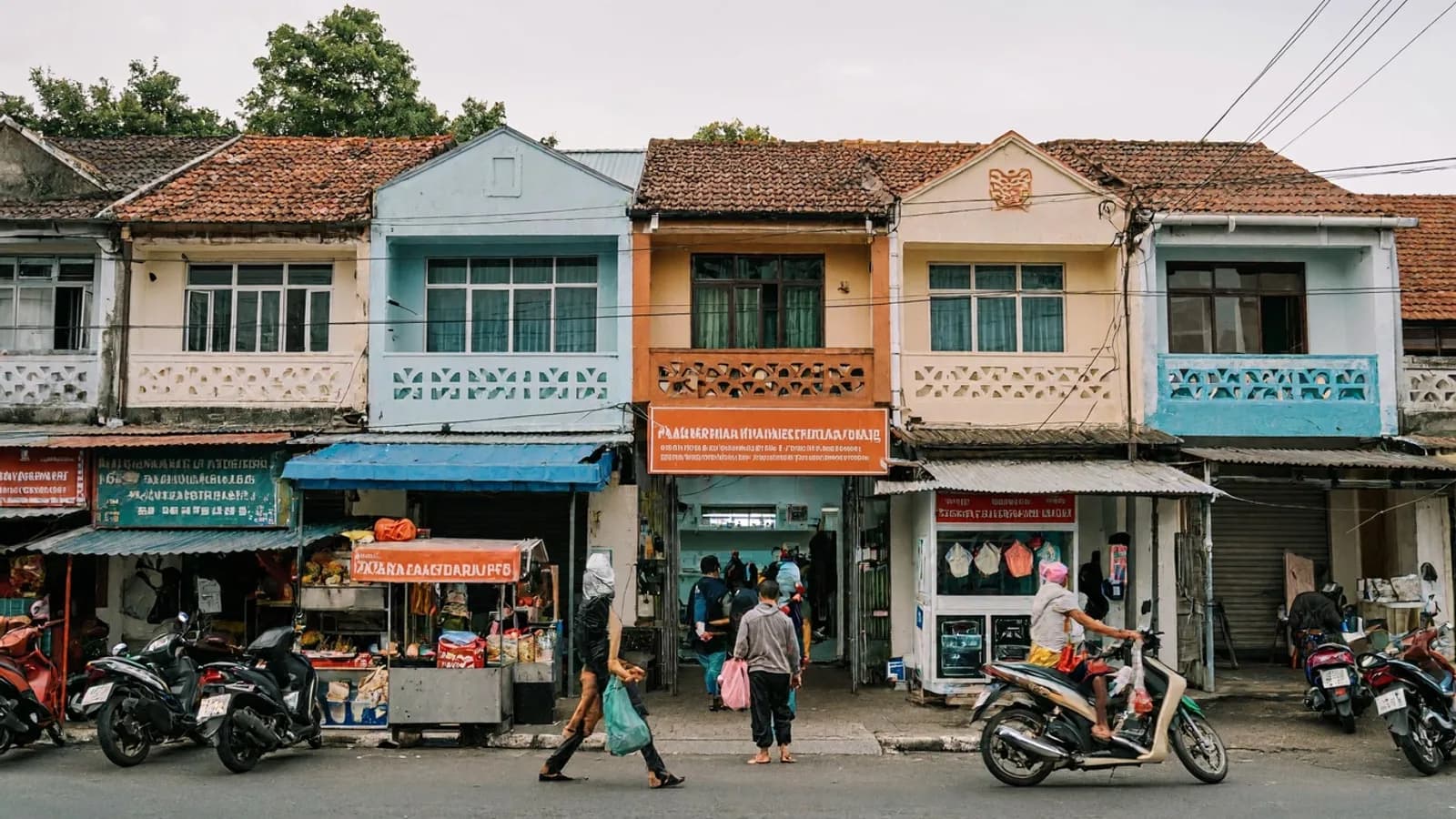
A shophouse across from a hospital often looks irresistible: people come and go from dawn, the car park is full and the emergency department lights stay on all night. Yet many owners are disappointed after opening, because the customers they pictured never walk past the shop, or are already served by the canteen and pharmacy inside the building. This guide helps you work out who actually buys around a hospital, when they need something, and which spots they really pass.
Why Hospital Crowds Are Different
The crowd around a hospital is not a crowd of shoppers or people relaxing. Most are there because they have to be, often anxious, tired and in a hurry. They are not looking for an experience; they want convenience: quick food, essentials in one place and somewhere close.
The good news is that these needs repeat and are fairly stable. People still fall ill at the end of the month, in the rainy season and at weekends. The less good news is that patterns differ by visitor group, so you need to know which group you are targeting before choosing a site.
Know the Four Customer Groups Around a Hospital
Broadly, four groups can become your customers. The table below is a general picture; peak times vary between hospitals, so match it against your own observations.
Group | Timing (general estimate) | Main needs | Example businesses that fit |
|---|---|---|---|
Outpatients and companions | Morning to midday, following clinic schedules | Quick breakfast, drinks, photocopies of documents, a place to wait | Breakfast stall, drinks kiosk, photocopy service |
Carers of inpatients | All day including night; may stay several days | Three meals a day, toiletries, clean clothes, phone credit | Food stall, mini-market, laundry, supplies shop |
Staff and health workers | Around shift changes and breaks | Cheap, quick meals, coffee, monthly arrangements | Regular food stall, coffee kiosk, daily catering |
Visitors | Following visiting hours, often afternoons and weekends | Gifts, bread, fruit, flowers | Fruit shop, bakery, simple gift baskets |
The most underrated group is carers of inpatients. They may stay for days, buy repeatedly and often need laundry or items they forgot to bring from home. For many small businesses, they are the most valuable customers.
Assess the Hospital, Not Just the Site
Not every hospital generates the same footfall. A large hospital with many beds, a 24-hour emergency department and many specialist clinics is very different from a small hospital or a primary clinic. Before calculating anything, gather these basics.
Class and services. Find out the hospital type, whether it has a 24-hour emergency department, inpatient wards and which clinics. This is usually on the hospital's official website or the information board in the lobby.
Number of inpatient beds. Ask at the information desk or check the hospital profile. More beds mean more carers needing meals and supplies every day.
Clinic schedules. Photograph the clinic timetable. Clinics that run into the afternoon stretch the outpatient peak.
Visiting hours. Note the official visiting hours, as this is when visitor numbers spike.
Development plans. Check whether a new building is under construction or a move is planned. A new wing can shift the main entrance, and a relocation can remove the footfall entirely.
Competitors You Cannot See From the Street: Facilities Inside
The most common mistake is counting only roadside competitors. Many hospitals have a canteen, pharmacy, mini-market, coffee counter and even ATMs inside. Tired visitors usually choose whatever is closest, which means inside.
Walk in as a visitor and note what is sold inside, including prices and opening hours.
Check whether the canteen closes at night. If so, there may be room for an outside business that opens late.
See whether the in-house pharmacy only fills inpatient prescriptions or also serves the public.
Observe whether carers may bring outside food into waiting areas. This affects the prospects for food stalls and delivery.
Which Entrance Do You Face?
Hospitals usually have several entrances: the main entrance, the emergency entrance, the motorbike parking gate, a staff entrance and sometimes a back gate used by local residents. The number of people walking through each can differ a lot.
Main entrance and motorbike parking
This is where outpatients, companions and visitors pass. It suits quick food, drinks and gifts. But it is also usually the most crowded with competitors and the most likely to be cleared if vendors block the way.
Emergency entrance
Active 24 hours, but visitors are at their most stressed and not in a shopping mood. Simple offerings work best: drinks, ready-to-eat food and urgent essentials. Make sure your business never blocks the ambulance route.
Staff entrance and shortcuts to housing
Often overlooked, yet hospital staff come every working day and can become regulars. A food stall or coffee kiosk on this route can build a steady base, often at lower rent than a shophouse facing the main entrance.
Also check how hard it is to cross. A shophouse across a wide road with a high median and no pedestrian crossing can feel far to someone on foot, even if it is only a few dozen metres away.
Worked Example: A Food Stall for Inpatient Carers
Here is a simple illustration for estimating potential customers from inpatient carers. All figures are examples, not data from any particular hospital. Replace them with what you learn from asking around and observing.
Component | Example figure | How to verify |
|---|---|---|
Inpatient beds | 150 beds | Hospital profile or information desk |
Estimated occupied beds | For example 70% = 105 patients | Ask staff or observe ward waiting areas on several days |
Carers per patient | For example 1 = 105 carers | Observe waiting areas at night |
Your share of carers eating outside | For example 10% = about 10 people | Count buyers at similar stalls at mealtimes |
Transactions per person per day | For example 2 meals = about 20 transactions | Ask nearby stall owners |
In this illustration, carers alone might bring about 20 transactions a day. Add estimates for staff, outpatients and visitors in the same way, then compare the total with the minimum number of transactions you need to cover rent and costs. If the margin is thin, the site is risky even if it looks busy.
Businesses That Fit and Those to Rethink
Usually a good fit: home-style food stalls, drinks and coffee kiosks, small mini-markets, express laundry, fruit shops and bakeries, photocopy and printing services, baby and patient supplies.
Can fit if there is a gap: pharmacies, since hospitals often have their own; check whether the public is served and whether it is open 24 hours.
Worth rethinking: entertainment or noisy businesses, cafés built for long stays, and lifestyle products unrelated to visitors' needs.
Handle with care: aggressive promotion near the emergency entrance or the mortuary can make potential customers uncomfortable.
Around a hospital, people buy because they need to, not because they are tempted. The winners are usually the businesses that make life easiest, not the flashiest.
Specific Risks to Check
Enforcement and parking rules. The area in front of a hospital is often tightly controlled to keep ambulance and drop-off lanes clear. Ask the neighbourhood management or the shophouse owner about parking and pavement-trading bans.
Entrance changes and new buildings. A new wing can move the main entrance to another side. Ask security or staff whether anything like this is planned.
Already high rent. Shophouses facing the main entrance are often priced high because they look busy. Compare them with units on the staff-entrance route or side streets.
Dependence on one source of customers. If the hospital moves or closes its inpatient service, your business suffers too. Consider whether nearby housing or offices could act as a backup; you can check district population data at BPS.
Field Survey Checklist Around a Hospital
Take this list on your visits. Go at least three times: in the morning when clinics open, in the afternoon during visiting hours and at night after 8 pm.
Noted the hospital type, emergency service, bed count and clinic schedule.
Mapped every entrance and counted pedestrians going in and out of each for 15 minutes.
Went inside and noted the canteen, pharmacy, mini-market and their closing times.
Observed inpatient waiting areas at night to estimate the number of carers.
Asked security or nearby vendors about staff shift-change times.
Counted similar competitors within walking distance and watched their queues at mealtimes.
Checked how easy it is to cross from the hospital entrance to the site.
Confirmed the site does not block the ambulance route and is not in a no-trading zone.
Asked about plans to build, expand or relocate the hospital.
Built an illustration of daily transactions and compared it with the minimum needed to cover costs.
Conclusion: Start With the Customer, Then Choose the Entrance
A hospital can be a steady source of customers all year, but only if your business meets the needs of the right group and sits on the route they actually use. Your next steps: decide your target group, gather the hospital's basic information, make three survey visits using the checklist above, and model daily transactions before you sign any lease.