Opening a Business Inside an Alley or Dense Neighbourhood: How to Judge Position, Access and Residents' Approval Before You Rent
Rent inside a gang is far cheaper and thousands of residents live close together, but not every business can survive there. Learn how to assess alley width, mouth-of-alley versus dead-end positions, courier access and relations with residents.
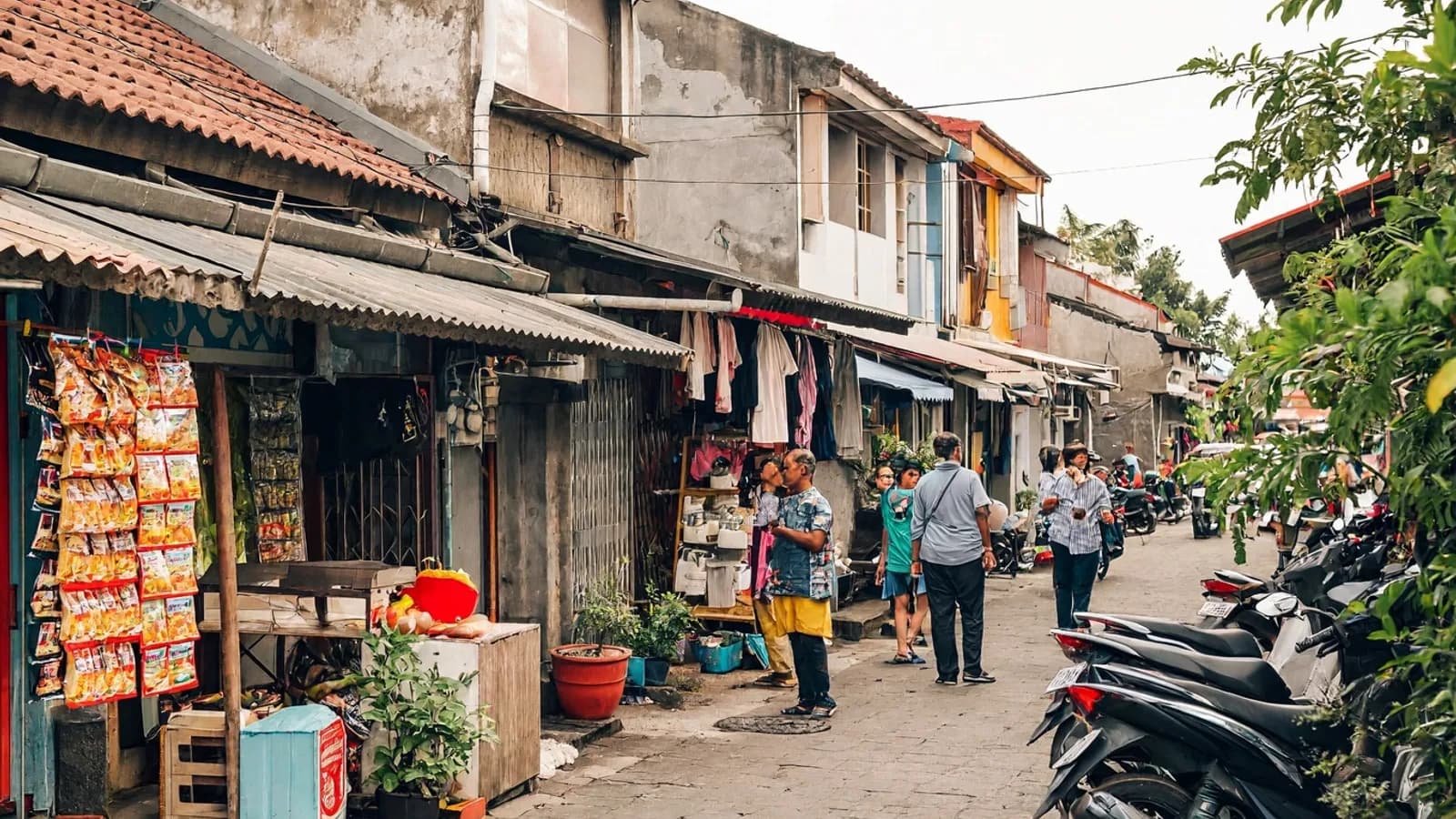
You have found a small house or kiosk inside a gang (a residential alley) with rent far lower than a shophouse on the main road. All around it are hundreds of tightly packed homes, children playing and neighbours coming and going. It looks like the market is right on your doorstep. Yet many businesses inside alleys close within months because they picked the wrong spot, were hard to reach or did not fit residents' habits. This guide helps you judge whether a site inside an alley or dense neighbourhood is worth renting, and which businesses make the most sense there.
Why Alley Locations Are Attractive
The main appeal of a gang is a dense customer base living very close by and low occupancy costs. Residents of dense neighbourhoods tend to buy small amounts often: sugar, cooking oil, eggs, a water-gallon refill, a bag of laundry. They would rather walk a few steps than go out to the main road.
Lower rent, often a house whose front room becomes the shop.
Regular customers: the same people pass every day, so loyalty builds quickly.
Big competitors rarely move in: chain minimarkets usually choose streets cars can use.
Low marketing costs: news spreads by word of mouth and neighbourhood WhatsApp groups.
The downsides are just as real: almost no customers from outside, limited visibility, difficult car access and a heavy dependence on good relations with neighbours.
Businesses That Fit and Those That Do Not
The first question is not "is this a good location" but "do the people around here need my business every day". Alley businesses live on routine needs, not on passing trade.
Business type | Fit inside an alley | Reason |
|---|---|---|
Grocery kiosk / warung | High | Daily needs, bought in small amounts and often |
Drinking-water refill | High | Routine, can deliver straight to homes |
Laundry by the kilo | High | Dense housing, little drying space at home |
Breakfast rice, fried snacks | High | Clear morning and afternoon peaks |
Barber, tailor, simple phone repair | Medium | Needs customers from several nearby alleys |
Trendy coffee shop, sit-down restaurant | Low | Needs visitors from outside and parking |
Car workshop, building supplies | Low | Large vehicles and loading are difficult |
How to Judge a Position Inside the Alley
1. Alley mouth, middle or far end
Where the unit sits decides how many residents pass your door. A unit at the mouth of the alley is passed by almost every resident each time they go in or out, and occasionally by people from the main road. A unit at the end of a dead-end alley is passed only by the handful of homes around it.
Position | Who passes | Advantages | Risks |
|---|---|---|---|
Alley mouth | Nearly all residents plus some main-road passers-by | Busiest and most visible | Higher rent, competitors often already there |
Middle of a through-alley | Residents and people using it as a shortcut | Two-way flow, moderate rent | Shortcut traffic can vanish if a gate or closure appears |
Junction of alleys | Residents of two or three alleys | Wider reach | Tight space, motorbikes often stop in front |
End of a dead-end alley | Only nearby homes | Cheapest rent | Very small market, barely visible |
2. Through-alley or dead end
A through-alley linking two roads is often used as a shortcut, so it carries more people. Ask residents whether it has ever been gated or closed at certain hours, for example at night. A night-time gate can cut off customers for a business that stays open late.
3. Alley width and vehicles
Measure the width by pacing it or with a tape. An alley that fits only one motorbike means customers stop right at your door and block the flow, while one where two bikes can pass is far more comfortable. Also check whether suppliers' carts, small pickups and delivery couriers can reach your door.
Size the Market by Counting Homes
Inside an alley, counting passers-by is less useful because the same people pass many times. It is better to count the households that could reasonably become your customers. Walk the alley and the alleys connected to it, and count house doors or rented rooms within a comfortable walk, say three to five minutes.
Here is an illustration for a grocery kiosk. Every number is an example; replace them with your own survey results.
Component | Example figure | How to check |
|---|---|---|
Households within walking distance | 200 homes | Count doors during your survey, ask the RT head for the number of families |
Share likely to shop with you | 30% | Look at how many competing kiosks are in the same alley |
Active customer households | 60 homes | 200 × 30% |
Average spend per visit | Rp15,000 | Ask other kiosk owners or observe shoppers' baskets |
Visits per home per week | 3 | Observe and ask about residents' habits |
Estimated monthly revenue | about Rp10.8 million | 60 × 15,000 × 3 × 4 weeks |
Compare the result with your rent and costs. If the estimate only works when you assume a very optimistic customer share, the site is too small for that business. For a picture of population density by sub-district or district, check the "Kecamatan Dalam Angka" publications from BPS, then confirm conditions in the alley with your own visit.
Residents' Daily Rhythm
Dense neighbourhoods have distinctive busy hours. Observe at least three different times on a weekday and at the weekend:
Early morning (05:30–08:00): people leave for work and school, breakfast buyers peak.
Midday: usually quieter, unless there are many stay-at-home parents or home businesses.
Late afternoon to evening (16:00–21:00): residents return home and buy cooking supplies and snacks.
Weekends: most residents are home, so laundry and grocery shopping may rise.
Also note whether many people rent rooms or boarding houses. Renters move more often, so regulars are harder to build, but they tend to buy ready-made food and use laundry services more.
Residents' Approval and Unwritten Rules
Inside an alley, neighbours are not just potential customers; they can also make your business uncomfortable to run. Before renting, take these steps:
Meet the RT and RW heads. Introduce yourself, explain the business and opening hours, and ask about neighbourhood fees or rules.
Ask about noise and smells. Deep frying, industrial washing machines or compressors can trigger complaints.
Sort out motorbike parking. Customers' bikes stopping in front of a neighbour's house are the most common source of complaints.
Check local customs. Some alleys regularly close for community events, weddings or clean-up days.
Ask about the previous business. If the space was used before, find out how that owner got on with residents.
In a dense neighbourhood, social permission from the neighbours often matters as much as official permits.
Official permits still matter. Make sure the address allows your activity and register your business through the current licensing system, such as OSS for a Business Identification Number (NIB).
Informal Leases: Still Put It in Writing
Alley rentals are often verbal agreements with the homeowner. That is risky if the owner suddenly wants the house back or raises the price. Draw up a simple written agreement covering:
The legal owner's name and proof of ownership or consent from heirs.
Lease term, rent and payment method.
Which part of the house may be used for business and which the owner keeps.
Who pays for electricity, water and repairs.
Minimum notice before the lease ends or the rent rises.
Field Checklist for an Alley Site
Unit position: alley mouth, middle, junction or dead end?
Through-alley or dead end? Ever gated or closed at certain hours?
Width: one motorbike or two passing?
Can suppliers, couriers and ride-hailing drivers reach the door?
Number of households within a three-to-five-minute walk.
Number of similar competitors in the same and neighbouring alleys.
Share of owner-occupied homes versus rented rooms or boarding houses.
Morning, evening and weekend peaks observed in person.
RT/RW heads met and comfortable with your type of business.
Space for customers' bikes to stop without blocking neighbours.
Flooding or pooling during heavy rain asked about with residents.
Electricity and water supply sufficient for your equipment.
Written lease with the legal owner.
Conclusion
An alley site can be very profitable for everyday-needs businesses close to residents, provided the position is right, access is adequate and the neighbourhood welcomes you. Your next step: shortlist two or three spaces, count the households around each, observe the morning and evening peaks, and meet the RT head before you discuss rent. If the numbers only work with overly optimistic assumptions, keep looking in another alley or on the nearest connecting road.