Opening a Business in a New Housing Estate: How to Gauge Real Occupancy and Time Your Entry
New housing estates offer cheap shophouse rent and few competitors, but a sold house is not always an occupied one. Learn how to measure real occupancy, read the signs that an area will grow, and set your timing and lease so you do not run out of cash waiting for customers.
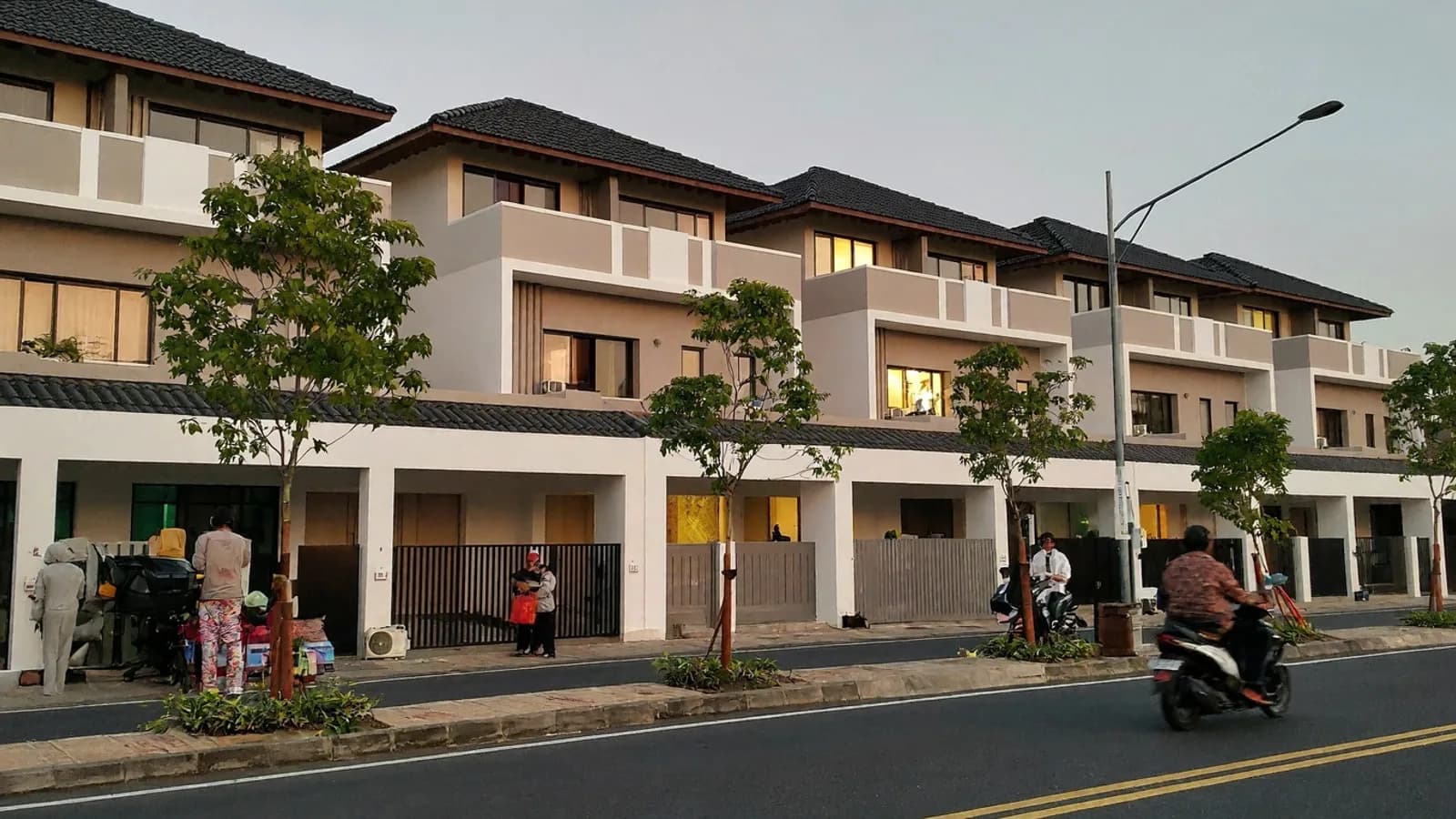
The developer's brochure talks about thousands of homes, the shophouses at the entrance are on promotional rent, and there is not a single laundry or coffee stall nearby. It sounds like a golden opportunity. But when you drive around in the evening, many houses are still dark. The problem is simple: a house that has been sold is not necessarily a house that is lived in, and your business only earns from homes with people in them.
This guide helps you estimate how many real residents a new estate has, read whether the area is genuinely going to grow, and decide when and how to move in so your capital does not run out before customers arrive.
Why New Estates Are So Tempting
There are sound reasons small business owners are drawn to newly built areas:
Relatively low rent. Developers and shophouse owners often cut prices to fill units quickly and make the area look lively.
Few competitors. You can become the first laundry, pharmacy or warung residents know.
Customers are forming new habits. Families who have just moved in have no regular shops yet, so they are easier to win early.
Growth potential. If the area takes off, your site gains value while you already have a customer base.
But all of these advantages depend on one thing: how quickly the homes fill up. If occupancy grows slowly, cheap rent still feels expensive because revenue cannot cover your monthly costs.
Risks That Are Easy to Miss
Homes bought as investments. Some buyers do not move in, waiting for prices to rise or planning to rent out later.
Phased handovers. Units already sold may only be handed over months later.
Delayed facilities. The school, market or access road promised in the brochure can slip.
Competitors arrive at the same time. Cheap shophouses attract other owners too, so by the time occupancy rises the market is already split.
Residents shop elsewhere. People who work in the city often already shop along their commute home, not inside the estate.
How to Measure Real Occupancy
The developer's sales figures are useful, but what you need is the number of homes actually lived in. Here are steps you can take yourself without special tools.
Get the block map or site plan. It is usually available at the marketing office. Note the number of units per cluster or street.
Pick a few streets as a sample. For example, three to five streets in different clusters, including some near and some far from the shophouses.
Visit in the evening, around 7 to 9 pm. Count homes with indoor lights on, vehicles parked or doors open.
Repeat on a weekend morning. Look for signs of life such as laundry drying, sandals on the porch, tended plants or full bins.
Divide occupied homes by the total you observed. The result is an estimated occupancy rate for that sample.
Cross-check with other sources. Ask security guards, estate management staff, the neighbourhood head or couriers who deliver there often.
Worked Example: From Occupancy to Potential Customers
The table below is an illustration for a by-the-kilo laundry in an estate of 1,000 homes. It assumes, for example, that 15% of occupied households use a laundry regularly and that you can win half of them. Replace every figure with your own survey and observations.
Occupancy scenario | Occupied homes | Regular laundry users (15%) | Your customers (50%) |
|---|---|---|---|
Early (20%) | 200 | 30 | 15 |
Growing (40%) | 400 | 60 | 30 |
Mature (70%) | 700 | 105 | 52 |
This shows how many customers you need to cover rent and running costs. If your break-even needs around 40 regular customers, you will lose money in the early scenario, and the real question becomes: how many months until occupancy reaches the growing scenario, and can your capital carry you that long?
Signs an Area Will Really Grow
Brochure promises need checking against evidence on the ground. These signs are more reliable:
Construction is actually happening. Heavy equipment is working and new clusters are going up, not just signboards.
Public facilities are open. A school, place of worship or clinic is operating, not still an empty plot.
A franchise minimarket has moved in. Large chains usually run their own site studies before opening, so their presence can be a signal, though not a guarantee.
Motorbike taxis, public transport or regular couriers are visible. This points to real daily travel demand.
Resale homes are being sold or rented out. A secondary market shows the area is considered liveable.
The main access road is finished. Not merely a planned toll road or link road with no clear schedule.
For a picture of population growth at district level, check the Kecamatan Dalam Angka publications on the BPS website. They will not show a single estate, but they help you see whether the surrounding area is gaining residents.
Which Businesses Suit Each Stage
Not every business has to wait for the area to mature. What new residents need changes over time. The table is a general guide, not a strict rule.
Estate stage | Characteristics | Businesses that usually fit better |
|---|---|---|
Early | Heavy construction, low occupancy, no shops yet | Small hardware store, curtain or canopy installation, water and gas refills, basic groceries |
Growing | Clusters filling in phases, more children around | Laundry, food stall, pharmacy, private tutoring, barbershop |
Mature | High occupancy, full facilities | Coffee shop, salon, beauty clinic, bakery, lifestyle businesses |
Entering Without Running Out of Cash
1. Be honest about the waiting period
Build a month-by-month projection with conservative occupancy assumptions. Set aside reserves to cover the gap between costs and revenue during the wait, plus a safety margin in case growth is slower than hoped.
2. Negotiate rent that follows growth
In new areas, tenants often have more bargaining power. You can try asking for a rent-free fit-out period, stepped rent that rises in the second year, half-yearly payments, or a renewal option at a price agreed up front. Whatever is agreed, make sure it is written into the lease.
3. Start small, be ready to scale
Consider starting with only the equipment and stock you need. Where possible, choose a unit that can be expanded or one with an empty neighbouring unit you could take later.
4. Reach beyond the gate
Do not rely only on one estate's residents. Offer delivery to other clusters and neighbouring estates, list on delivery apps, and look for customers in nearby villages that may be underserved.
5. Build relationships with residents early
New estates quickly form residents' chat groups. With the committee's permission, you can introduce your business, support community events or offer a welcome deal to families receiving their keys.
In a new estate you are not buying a crowd. You are buying time until the crowd arrives, so make sure you can afford that time.
New Estate Field Checklist
Take this list on your survey and fill it in from what you see, not only from what the sales team tells you.
Total units per cluster recorded from the site plan
Occupancy rate from the evening count
Results of a repeat check on a weekend morning
Number of homes paying the estate fee, according to management
Next unit handover schedule, according to the developer
Public facilities already operating, not just planned
Condition of the main access road and transport into the area
Similar businesses already open and empty units competitors could take
Shophouses that closed or changed tenants in the past year
Where residents shop on their way home from work outside the estate
Neighbouring estates or villages reachable by delivery
Stepped rent or rent-free period offered in writing
Conclusion
A new housing estate can be an excellent location for a small business that enters at the right time with enough reserve capital. Your next steps: get the site plan, count real occupancy in the evening, project revenue under three occupancy scenarios, then negotiate a lease that follows the area's growth. If the waiting period is longer than your capital can handle, it is better to wait or take a smaller unit than to bet on brochure promises.