How to Negotiate Shophouse Rent: Comparable Prices, Timing and What to Ask For Besides a Lower Price
The first rent figure an owner quotes is rarely the final one. Learn how to gather comparable prices, read the owner's bargaining position and ask for concessions beyond a discount before you sign.
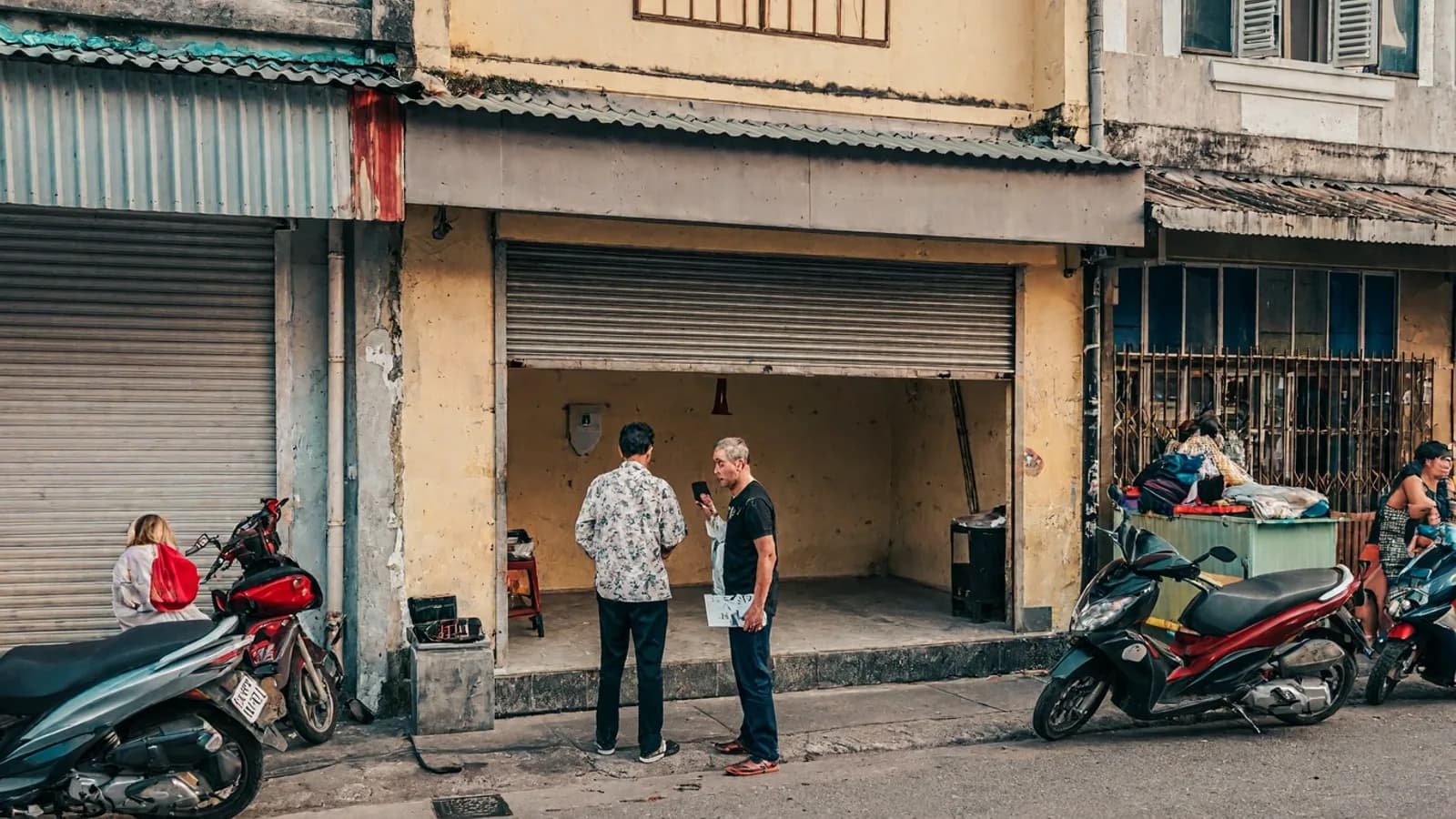
You have found a shophouse that works: good position, decent passing trade, the right size. The problem is that the rent the owner quotes feels heavy. Many small business owners either accept straight away for fear of losing the unit, or haggle with no real reason and get turned down flat. Yet a difference of a few million rupiah a year, plus easier payment terms, can decide whether your business survives its first year.
This guide covers how to negotiate rent on a ruko, kiosk or house used for business, armed with data rather than feelings. You will learn how to collect comparable prices, set a ceiling from your own numbers, recognise when an owner needs a tenant, and ask for concessions that are often easier to win than a price cut.
Why the First Price Can Usually Move
In many areas, shophouse rent has no official benchmark. Owners often name a figure based on last year's rent, what the neighbours say or simple hope. That figure usually leaves room to negotiate. At the same time, every empty month means zero income for the owner, plus minimum electricity charges, cleaning and the risk of an unused building deteriorating.
In other words, you and the owner both want a deal. Your job is to show you are a serious, reliable tenant with a sensible reason for the figure you propose.
Step 1: Gather Comparables Before You Meet the Owner
An offer without data is easily brushed off with "that's just the going rate here". Before negotiating, collect at least three to five comparables on the same road or in the same area.
Empty units in the same row. Call the numbers on the "for rent" banners and ask about price, size and payment terms.
Listings on property sites and marketplaces. Note the prices, but remember these are asking prices, not agreed ones.
Nearby tenants. Politely ask neighbouring business owners roughly what they pay and how much it went up at renewal.
Local agents or brokers. They often know the prices actually agreed, not just the advertised ones.
Physical condition. Note frontage width, number of floors, roof condition, electrical capacity and whether there is a bathroom, since all of these affect price.
Put the results in a simple table. The example below is an illustration only; figures in your area may be very different and you need to collect them yourself.
Comparable unit | Frontage / floors | Condition | Asking rent per year (illustration) | Notes |
|---|---|---|---|---|
Your target unit | 4 m / 2 floors | Leaking roof, faded paint | Rp60 million | Empty for about 5 months |
Shophouse A, same row | 4 m / 2 floors | Ready to use | Rp55 million | Neighbours say it was finally let at around Rp50 million |
Shophouse B, across the road | 4 m / 2 floors | Ready to use | Rp52 million | On the evening-commute side |
Shophouse C, 300 m away | 5 m / 2 floors | Needs light renovation | Rp48 million | A bit further from the junction |
In this example you have a strong case: your target is priced highest, yet it needs the most repair and has been empty the longest. That is your talking point.
Step 2: Set Your Ceiling From Your Own Numbers
Comparables tell you the market price, but the limit that really matters is what your business can carry. Estimate realistic monthly revenue from your field survey, then decide what share of it rent can safely take for your type of business. If the asking rent pushes your break-even point too high, the site is not viable at that price, however good it looks.
Before meeting the owner, fix three numbers:
Opening offer: the lowest figure you can still justify with data, for example based on the cheapest comparable in similar condition.
Target: the figure you consider fair and comfortable for your cash flow.
Walk-away point: the highest figure that still fits your revenue numbers. Above this, you are ready to leave and choose another site.
Using the illustration above, that might look like an opening offer of Rp48 million, a target of Rp52 million and a walk-away point of Rp55 million a year. Write the three figures down so you do not get carried away in the conversation.
Step 3: Read the Owner's Bargaining Position
Your leverage depends on how much the owner needs a tenant. Watch for the signs before and during the meeting.
Signs the owner is open to negotiation
The "for rent" banner is faded, or neighbours say the unit has been empty for months.
Several units in the same row are vacant.
The building needs repairs the owner has not done.
The owner lives far away and wants the letting sorted quickly.
The previous tenant's lease has just ended and there is no other candidate yet.
Signs the owner holds the stronger hand
The unit has only just become vacant and several people have already viewed it.
The site is in a spot that is rarely empty, such as near a market gate or a main junction.
The owner does not depend on the rental income and is in no hurry.
If the owner's position is strong, a big discount is unlikely. Focus on the other concessions in the next section.
What You Can Ask For Besides a Lower Price
Many owners resist cutting the headline rent because it becomes the benchmark for future tenants or for their neighbours. But they are often more flexible on other terms that are worth just as much to you.
What to ask for | Why it matters to you | How you might ask |
|---|---|---|
Rent-free fit-out period | You do not pay rent while the shop cannot trade yet | "Could the rent start after a one-month renovation?" |
Instalment payments | Your start-up capital is not all tied up in upfront rent | "How about paying in two parts, six months in advance each?" |
Capped increase at renewal | Avoids a big jump once your business is doing well | "Renewal increase capped at a set percentage, written into the lease." |
Repairs by the owner | Roof, wiring or drainage costs do not fall on you | "Could the roof leak be fixed before handover?" |
First right to renew | Nobody else takes the site you have built up | "I get the first option to renew." |
Smaller deposit | Cash stays available for stock and operations | "Would one month's deposit be enough instead of three?" |
Permission for signage and light changes | The shop is visible from the road and fits your needs | "May I put a sign on the façade and light partitions inside?" |
Put a rupiah value on each concession. With an illustrative rent of Rp52 million a year, one rent-free month is worth about Rp4.3 million. That is close to an 8 percent discount, yet owners often find it easier to give.
How to Run the Conversation
Show you are serious. Describe your business, how long you plan to stay and that you will look after the building. Owners prefer quiet, long-term tenants.
Ask before you name a number. "What does this price include? Tax, neighbourhood fees, repairs?" The answers often open up room to negotiate.
Raise the building's condition. State the facts calmly: leaking roof, old wiring, peeling paint.
Make your opening offer with reasons. Refer to your comparables without naming who told you.
Offer a trade. For example, you are willing to sign for two years or pay sooner if a certain price or term is agreed.
Allow time to think. There is no need to force a deal the same day. Follow up a day or two later.
Put every agreed point in writing. Price, rent-free period, repairs and capped increases belong in the lease, not just in a verbal promise.
Things better left unsaid
"I've fallen in love with this place." It weakens your position.
"It's much cheaper elsewhere" without being able to show an example.
Running the building down so much that the owner takes offence.
Revealing your walk-away point early in the conversation.
Common Mistakes When Negotiating Rent
Focusing only on price and forgetting that renewal increases are uncapped.
Agreeing concessions verbally without writing them into the lease.
Paying a holding deposit before the main terms are agreed.
Offering far too low without justification, so the owner loses interest.
Not checking who the rightful owner is and the building's status before paying.
A Rent Negotiation Checklist to Take With You
Use this list before, during and after meeting the owner.
At least three comparables from the same area, with size and condition noted.
Realistic revenue and a rent ceiling worked out from your own field survey.
Opening offer, target and walk-away point written down.
Building defects recorded with photos: roof, electrics, water, floor, shutter.
Asked how long the unit has been empty and why the last tenant left.
Asked what the price includes: tax, fees, repairs.
A list of non-price concessions ready to request.
At least one viable backup site.
All agreed terms written down and double-checked before signing.
Holding deposit paid only after main terms are agreed, with a receipt.
Conclusion: Start With Data, Finish With a Written Lease
Negotiating rent is not about courage, it is about preparation. This week, start by collecting three to five comparable prices around your target area, then work out your rent ceiling from realistic revenue. Take those figures, a list of building defects and your list of concessions to the meeting. Whatever the outcome, make sure everything agreed is written into the lease. If the rent stays above your walk-away point, move to your backup site without hesitation, because a good location at the wrong rent can still sink a business.