Check Neighbourhood Safety Before Renting a Business Space: Theft, Unofficial Levies and Night-Time Lighting
A site that is busy by day can be prone to break-ins at night or full of unofficial levies. Learn how to investigate a location's safety history, assess the building and count security costs before you sign a lease.
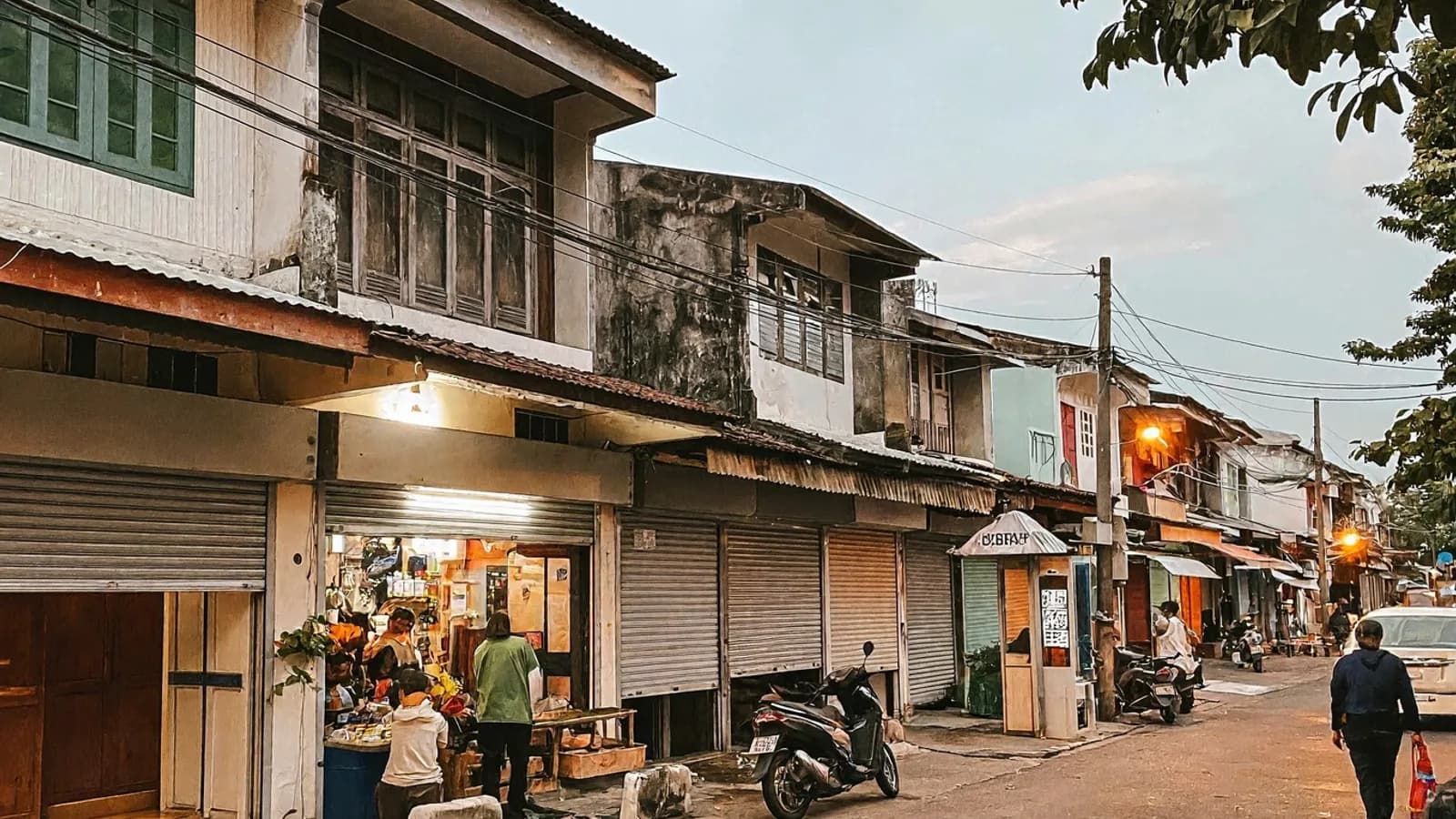
You have found a shophouse with reasonable rent, a busy road and few competitors. But there is one question people rarely ask during a site visit: is the area safe? A shop broken into twice a year, customers' motorbikes stolen at the door, or vague "fees" collected every week can eat into profit as badly as rent that is too high. This guide helps you read a location's security risks before you pay rent upfront.
Why Safety Is Part of the Cost of a Location
Many small business owners treat security as something to sort out later: add another padlock and you are done. In reality, neighbourhood safety affects three things at once: costs (grilles, CCTV, a night guard, insurance), revenue (customers avoid places that feel unsafe, especially after dark) and opening hours (you may be forced to close earlier).
That is why safety should be assessed alongside rent, footfall and competition, not after the lease is signed.
Four Types of Risk to Tell Apart
Not all security problems are the same. Separate them so you know how to check and how to deal with each one.
Risk type | Signs on site | Impact on the business | How to check |
|---|---|---|---|
Shop theft and break-ins | Heavy grilles on every shop, double padlocks, pry marks on shutters | Lost stock, cash and equipment; temporary closure | Ask neighbouring owners and the RT head; inspect the unit's doors |
Theft of customers' vehicles | Warning signs on walls, unattended parking, dark areas | Customers reluctant to stop or stay long | Ask parking attendants and nearby shops' customers; visit at night |
Unofficial levies | People collecting from the row of shops, stories from neighbours | Regular costs not written in the lease | Ask several shop owners separately |
Quiet, dark surroundings at night | Broken street lights, nearby shops closing early, vacant land | Lost evening customers, staff unsafe going home | Visit after sunset and around closing time |
How to Investigate a Site's Safety History
Safety history is rarely written down anywhere. The best information comes from people who are around the site every day. Follow these steps:
Talk to the owners on the left, right and across the road. They know what happened over the past year. Ask casually, for example while buying something.
Meet the RT or RW head. Besides local approval, ask whether there are night patrols, a security post, or official security fees and how much they are.
Ask parking attendants, security guards or nearby shop staff. They usually know about stolen motorbikes or suspicious people who hang around.
Search local news online. Type the street or kelurahan name with words like "pencurian" or "pembobolan". Remember that no news does not mean no incidents.
Read Google Maps reviews of nearby businesses. Customers occasionally mention risky parking or dark areas.
Come back at night. See how many shops are still open, whether street lights work, and who gathers around the site.
Ask the property owner directly whether the unit has ever been broken into and what repairs were made. Note the answer and compare it with what neighbours say.
Questions to Ask Neighbouring Businesses
Since you opened here, has any shop been broken into? Roughly when?
What time do you usually close, and why then?
Are there security or cleaning fees? How much, and who collects them?
Has a customer's motorbike ever been stolen outside?
If there is a problem, who do you usually report it to?
Assessing the Building's Security
Even a reasonably safe neighbourhood can be a problem if the building is easy to get into. Check these points during your unit inspection:
Rolling shutter and hinges: solid, not badly rusted, and lockable from inside and outside.
Back door or windows: often the entry point because they cannot be seen from the street.
Roof and ceiling: in a row of shophouses, a shared roof can give access from an empty unit next door.
Empty units on either side: units left vacant and neglected add risk.
Grilles and display glass: already in place, or will you have to install them yourself?
Front lighting: is there a porch light, and who pays for its electricity?
Electricity meter position: an easily reached outdoor meter can be switched off by others.
Official Fees or Unofficial Levies?
Many neighbourhoods have reasonable security and cleaning fees, run by the RT/RW or estate management and backed by receipts. This is normal and should go into your monthly cost calculation.
What to watch out for are levies with no clear basis, amounts that keep changing, or collectors who cannot say who they represent. Ask several neighbouring owners what they pay and to whom. If such levies exist, raise them with the RT/RW committee, and report extortion or threats to the local police. Do not assume the property owner will sort it out for you; ask where they stand before you sign.
Example: Working Out Extra Security Costs
After your visits, turn what you found into numbers. The table below is an illustration comparing two candidate sites; every figure is only an example and should be replaced with quotes from local tradespeople, suppliers and the fees that actually apply at your site.
Cost item (illustration) | Site A: busy road, quiet at night | Site B: neighbourhood with patrols |
|---|---|---|
Extra grilles and padlocks (one-off) | Rp4,000,000 | Rp1,500,000 |
Basic CCTV (one-off) | Rp2,500,000 | Rp2,500,000 |
Neighbourhood security fee (per month) | Rp0 | Rp100,000 |
Night guard or shared watch (per month) | Rp1,000,000 | Rp0 |
Average monthly cost in year one* | about Rp1,540,000 | about Rp433,000 |
*One-off costs divided over 12 months, plus monthly costs. In this example, Site A, with the cheaper rent, could end up more expensive once security is counted. Also remember the revenue you may lose if you have to close early.
Field Safety Checklist
Asked at least three nearby owners about incidents in the past year
Met the RT/RW head and know whether there are patrols and official fees
Visited after sunset and around nearby shops' closing time
Street lights and porch lights work, parking area is well lit
Checked the shutter, back door, roof and ceiling
Know whether the units on either side are occupied or empty
Asked about and noted any regular levies on the row of shops
Asked the property owner about the unit's break-in history
Added extra security costs to the monthly cost calculation
Staff's route home at closing time feels safe
When to Walk Away
Consider looking elsewhere if you see several of these signs at once: many neighbours describe repeated break-ins, regular unofficial levies backed by pressure, most shops closing before dark when your business needs evening customers, or security costs that make your minimum revenue target unrealistic. A cheap site that keeps you anxious every night is rarely worth it.
Conclusion
Neighbourhood safety is part of the price of a location, not an afterthought. Before you sign, set aside one visit to talk with neighbouring businesses and the RT/RW, one visit at night, and one session to cost out security. Add the results to your comparison of candidate sites, then choose a place that is not only busy but also lets you and your customers feel at ease.