Road Projects, Flyovers and Traffic Changes: How to Check What Is Coming Near a Site Before You Lease
A busy location today can go quiet next year because of road widening, a new flyover or a switch to one-way traffic. Learn how to find planned projects, read the signs on the ground and estimate the impact before you sign a lease.
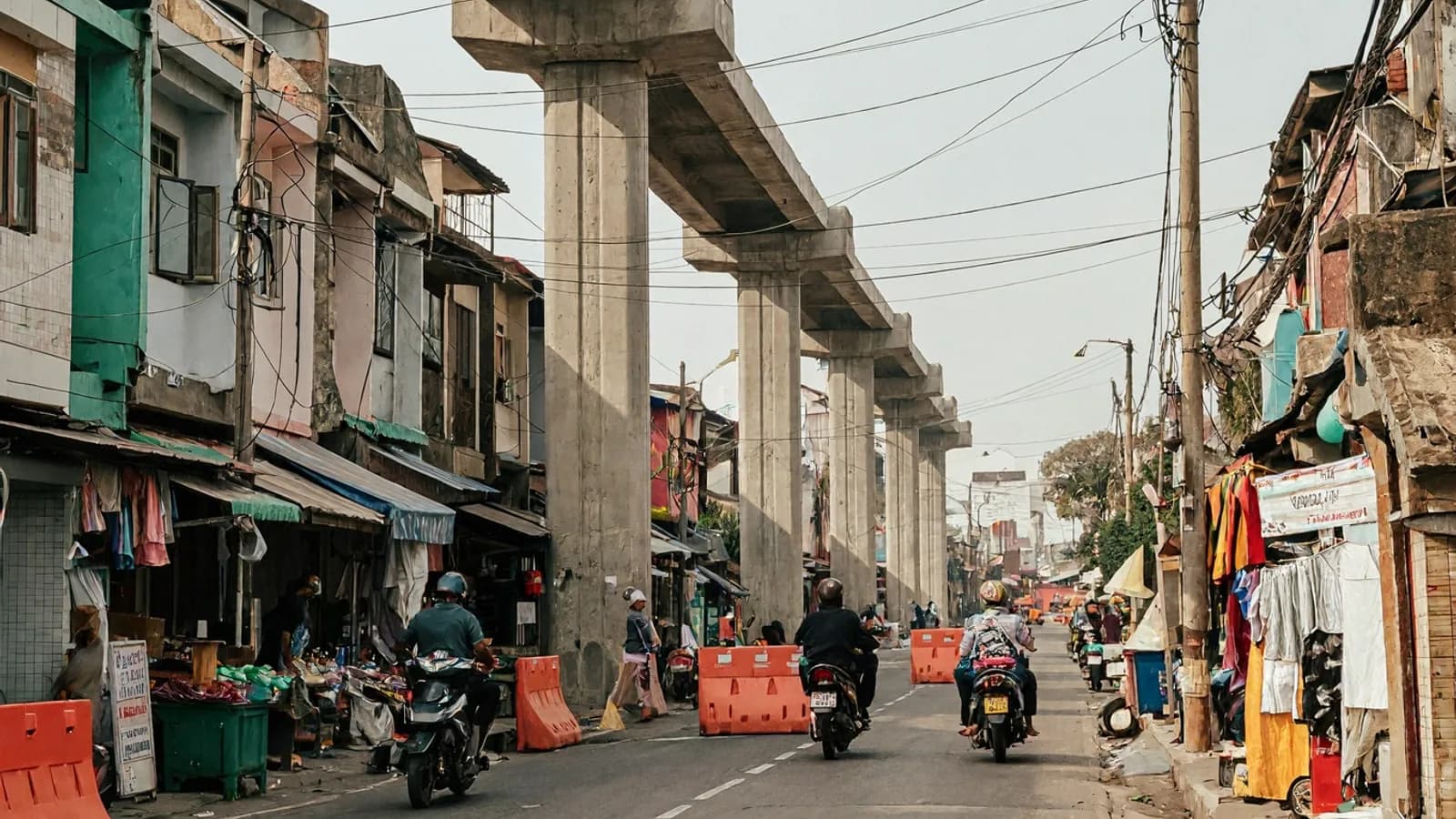
You have found a shophouse on a busy road, your day and night surveys look good, and the rent makes sense. Then six months after opening, a corrugated metal hoarding goes up outside, the lanes narrow, and the customers who used to stop start taking another route. The problem is not your product. It is a change around the site that you could have checked before signing the lease.
This article explains how to find out whether a potential location will be affected by road works, a flyover or underpass, road widening, a switch to one-way traffic, or another major project during your lease. The goal is not to avoid every site that will change, but to go in with your eyes open and a contract that protects you.
Why Infrastructure Changes Are Easy to Miss
A site survey captures conditions today: how many people pass, from which direction and at what time. But shophouse leases usually run for two to five years. In that time, a single local government decision about traffic flow can change the fortunes of an entire row of shops.
Landlords rarely mention planned projects, sometimes because they do not know and sometimes because they worry the unit will not let. So the job of checking falls to you as the prospective tenant.
Types of Change and How They Affect a Business
Not every project is bad news. Some hurt for a while and then help; others do lasting damage. The table below helps you map the likely effects. It is a general guide, not a rule, because the outcome depends on the actual design at your site.
Type of change | Impact during construction | Impact once finished | Businesses most affected |
|---|---|---|---|
A flyover built in front of the shop | Dust, noise, narrow lanes, disrupted access | Fast traffic passes overhead; shops below may become more hidden or simply quieter | Businesses relying on drivers stopping by |
Road widening | Excavation, lost road shoulder, disrupted parking | Traffic may flow better, but the front terrace or parking strip can be cut | Warung, workshops, minimarkets needing front parking |
Two-way road becomes one-way | Usually no long construction period | Half the customer flow can disappear from one side or shift entirely | Businesses relying on commuter traffic in one direction |
A permanent median is installed | Short | Customers from the opposite side must make a long U-turn | Food stalls and pharmacies serving both sides |
Mass transit project (new stop or station) | Can be long and disruptive | May add pedestrians near the entrances | Coffee kiosks, snacks, phone credit counters |
Market or terminal relocation | Crowds shift gradually | The anchor that brought people may move away | Businesses living off market or terminal visitors |
How to Find Information on Planned Projects
Information about road projects is usually scattered across several places. Work through these steps in order, starting with the easiest.
Search local news. Type the street or area name plus words such as flyover, pelebaran jalan (road widening), underpass, satu arah (one-way) or rekayasa lalu lintas (traffic engineering). Check the dates and whether the project is funded or still just an idea.
Check local government websites and social media. The transport agency (Dinas Perhubungan) usually announces traffic trials, while the public works agency handles road and bridge projects.
Look at the spatial plan. Your area's detailed spatial plan (RDTR) sometimes shows planned road networks. If you are already checking zoning and permits, do this at the same time.
Visit the kelurahan or kecamatan office. Ask whether there have been briefings on land acquisition, road widening or new medians on that stretch. Residents whose land is affected are usually invited to meetings.
Ask nearby business owners. Long-standing traders, parking attendants and ojek drivers often hear first about new markers or surveyors measuring the road.
Ask the landlord directly, in writing. Ask them to state whether they know of any project or land acquisition affecting the unit.
Warning Signs on the Ground
Official information can be hard to find, but the physical signs are often already visible. During your survey, look out for:
New stakes or paint markings on the shoulder, pavement or in front of buildings.
Workers measuring the road or drilling soil samples.
Project signboards naming the works and an estimated timeline.
Buildings in the same row having their fronts demolished.
Many shophouses on the stretch suddenly being offered for rent at once.
Temporary signs or barriers suggesting a trial of new traffic flow.
A landlord offering a large discount with no clear reason.
Estimating the Impact of the Construction Period
If a project is going ahead and you still like the site, work out whether your business can survive the difficult months. Estimate how long works will last outside the shop, how much revenue might fall, and compare that with your cash reserves.
Here is an illustration for a small eatery. The figures are examples only, not benchmarks. Estimate the revenue drop by asking owners who have lived through similar projects in your city.
Item | Illustration |
|---|---|
Normal monthly revenue (estimate) | Rp30,000,000 |
Estimated revenue drop during works | 30%–50% |
Revenue during works | Rp15,000,000–Rp21,000,000 |
Monthly fixed costs (rent, wages, electricity) | Rp18,000,000 |
Monthly gap | A shortfall of Rp3,000,000 to a surplus of Rp3,000,000 |
Estimated length of works outside the shop | 8 months |
Suggested cash reserve for the worst case | About Rp24,000,000 plus a safety margin |
In this example the business can survive with reserves, but it will struggle if its capital has already gone on fit-out and rent paid upfront. Road projects also often run late, so add a few extra months as a buffer.
When a Project Becomes an Opportunity
A project that disrupts today can pay off later. A new stop or station can bring more pedestrians. Road widening can make an area easier to reach. During works, landlords are also more willing to cut the price. If you are confident about the long-term effect, you can negotiate lower rent during construction and lock in the price for the years after.
Protect Yourself in the Lease
Standard leases rarely mention government projects. If your site is at risk of change, consider negotiating these points and writing them down clearly:
A landlord statement that they know of no land acquisition or project affecting the unit, or have disclosed it.
A rent reduction if access or front parking is blocked by works beyond a set period.
An early exit right with a refund of unused rent if part of the building is taken for land acquisition.
Clear sharing of compensation if the government pays for demolished parts of the building, including fit-out you paid for.
A shorter initial term with a renewal option, so you are not locked in for years at an uncertain site.
Field Checklist: Changes Around the Site
Take this list on your survey and fill it in for every potential site:
Searched news about this street from the past two years.
Checked transport agency announcements on traffic changes.
Asked the kelurahan or kecamatan about planned projects.
No new stakes, paint markings or project boards near the unit.
Asked at least three nearby business owners or parking attendants.
Know the current traffic direction and whether one-way or a new median is under discussion.
Know whether the nearest anchor (market, terminal, school) plans to move.
The landlord has answered questions about projects in writing.
Modelled a revenue drop during the construction period.
Enough cash reserves to cover the gap for several months.
The lease includes rent reduction or exit terms if the site is affected.
Conclusion
A business location is not only about whether it is busy today, but about what will happen on the road outside during your lease. Before you sign, spend a day or two searching the news, asking the local office and neighbouring traders, and watching for signs on the ground. If a project is coming, work out whether you can ride it out and build that protection into the contract. Your next step: pick one site you are considering and fill in the checklist above this week.