Choosing a Location for a Daycare Centre: Parents' Commute, Building Safety, Play Space and Other Must-Checks
A daycare does not live on passing trade but on working parents who need a safe place on their route every morning. Learn how to read drop-off routes, assess building safety and work out rent against child capacity.
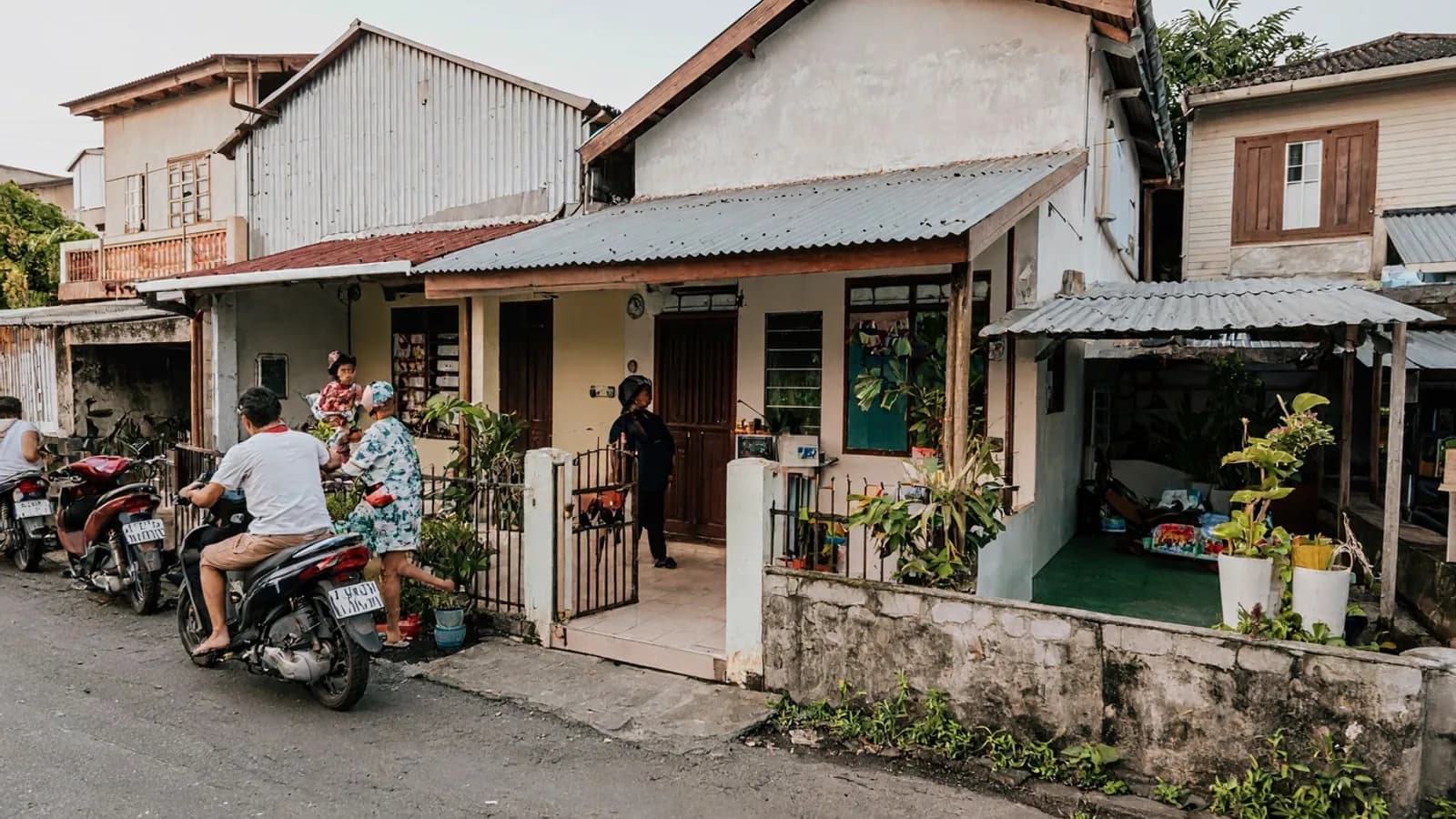
You want to open a daycare or childcare centre, and a few houses or shophouses are already on offer. The trouble is that judging a daycare site is nothing like judging a warung or shop. Your customers do not drop in because they happen to pass by. They are working parents who choose very carefully, come twice a day, and will switch elsewhere if drop-off is a hassle or the building feels unsafe. This guide helps you assess potential sites from those parents' point of view.
Who actually chooses your daycare
The decision to use daycare is usually made by couples where both partners work, or by working single parents. They weigh three things at once: is the place safe and clean, is the fee reasonable, and is it on the way to work. The third point is often underrated. However good the facilities, parents will not stay if they have to detour 20 minutes every morning.
So the first step is not finding a building, but understanding where local parents travel from and to each day.
The commute: near home, near work, or in between?
There are three common patterns for daycare locations, each with different strengths and risks.
Location pattern | Strengths | Risks to check |
|---|---|---|
Inside or near a housing estate | Child stays close to home, grandparents or relatives can help collect, quiet setting | The number of young working families in that estate may be limited |
Near an office or industrial area | Parents can visit at lunch, more flexible pick-up | Quiet on office holidays, children travel long distances in traffic |
On the main route between housing and workplaces | Can draw parents from several estates | Must be on the right side of the road with a safe place to stop |
For the third pattern, watch the morning traffic direction. Daycare drop-off usually overlaps with the commute, for example between 6:30 and 8:00. A site on the side of the road parents use on their way to work is far easier to reach than one opposite that forces a U-turn. In the afternoon parents tend to accept a small detour, but in the morning every minute counts.
Estimating the number of potential customers
A daycare needs families with pre-school children whose parents work. Some ways to estimate this:
BPS data. Open the Kecamatan Dalam Angka publications on BPS to see population and, where available, age structure. Compare several districts to see which have a larger share of young children and working-age adults.
Field signs. Look at the number of PAUD and kindergarten schools, posyandu, baby supply shops, strollers and children's laundry on lines, and motorbikes carrying children in the morning.
Type of housing. Newer estates and clusters popular with young couples are usually more promising than older complexes whose residents are mostly older.
Competitors. List nearby daycares and PAUD schools offering childcare, their fees, opening hours and whether they have a waiting list. A waiting list signals unmet demand.
The drop-off point: the moments that matter
Parents will judge your daycare by the drop-off and pick-up experience every day. Check the following:
Is there space to stop briefly on a motorbike or in a car without blocking the road or annoying neighbours?
Can children step from the vehicle straight into a fenced area rather than onto a busy roadside?
What is traffic like exactly at drop-off and pick-up times, not at midday?
Is there shelter for parents waiting in the rain?
The building: safety first, looks second
Many small daycares use a house. This can work very well, as long as the building is safe for young children.
Building must-checks
Ground floor for children's areas. Steep stairs to an upper floor are a serious risk; if there are any, make sure a safety gate can be fitted.
Fence and gate that lock, with enough distance from a main road.
Ventilation and natural light in nap and play rooms.
Toilets that can be adapted for children, plus a nappy-changing area.
A kitchen separate from play areas, with reliable clean water.
Tidy wiring, sockets that can be covered, no loose cables.
Flood and waterlogging history. Ask neighbours, because a flood means closing and parents looking for alternatives.
Outdoor play space or a yard, however small, that can be shaded and fenced.
The surroundings
Children need quiet naps. Avoid sites right next to a workshop, karaoke venue, a noisy or smoky factory, or a road with constant truck traffic. On the other hand, friendly neighbours and a neighbourhood with security guards or a night watch are a plus you can mention to parents.
Work out rent against child capacity
Daycare revenue is limited by capacity: floor space, number of caregivers and the rules that apply. So weigh rent against how many children you can realistically serve, not how many people walk past. The table below is only an illustration; replace the figures with local prices from your own survey of nearby daycares and property owners.
Item (illustration) | House A | House B |
|---|---|---|
Rent per year | Rp60 million | Rp96 million |
Rent per month | Rp5 million | Rp8 million |
Realistic child capacity | 12 children | 20 children |
Example fee per child per month | Rp1.5 million | Rp1.5 million |
Revenue when full | Rp18 million | Rp30 million |
Rent as share of revenue when full | about 28% | about 27% |
Revenue at 60% occupancy | Rp10.8 million | Rp18 million |
Rent share at 60% occupancy | about 46% | about 44% |
The lesson: daycares rarely fill up straight away. Building trust usually takes months. Work out whether you can survive while only partly full, and set aside funds for caregivers' wages, which must be paid even before enrolment grows. A larger house only makes sense if you are confident demand exists, for example from competitors' waiting lists or interest you have already gathered from parents.
Permits, rules and the neighbours' blessing
Childcare services generally need a business licence through OSS and may involve the local education or social affairs office, depending on the type of service. Rules such as space per child and caregiver-to-child ratios can vary, so ask the relevant office in your regency or city before signing a lease. Also make sure the owner allows the house to be used as a business and permits small changes such as safety gates. Finally, introduce your plans to the RT head and nearest neighbours, because twice-daily drop-offs will affect them.
Daycare field survey checklist
Visit at morning drop-off and afternoon pick-up times and note traffic and stopping space.
Make sure the site is on the side of the road parents use on the way to work.
Count PAUD schools, kindergartens, posyandu and baby supply shops nearby.
Note competing daycares: fees, hours and whether they have a waiting list.
Check the fence, gate, stairs, sockets, toilets and kitchen.
Check ventilation and noise in the room planned for naps.
Ask at least two neighbours about flooding and waterlogging.
Confirm the owner's permission for business use and talk to the RT.
Ask the local office about capacity rules and permits.
Calculate rent as a share of revenue when full and when only partly full.
For parents, the right daycare is not the most luxurious one, but the one that lets them leave their child with peace of mind and still get to work on time.
Conclusion: start with the parents' route
A good daycare location sits on working parents' daily route, has a safe drop-off point and a building genuinely fit for small children. Next step: pick two or three candidate sites, survey them at drop-off and pick-up times, talk to a handful of parents, and work out rent against realistic capacity. Compare the results side by side before you decide.