Choosing a Location for a Phone Counter: Accessory Buyers, Repairs, Display Security and Other Must-Checks
A phone counter no longer lives on selling top-up credit alone, but on accessories, repairs and people who need something fast. Learn how to read your buyer base, check display security, signal and power, and work out a sensible rent.
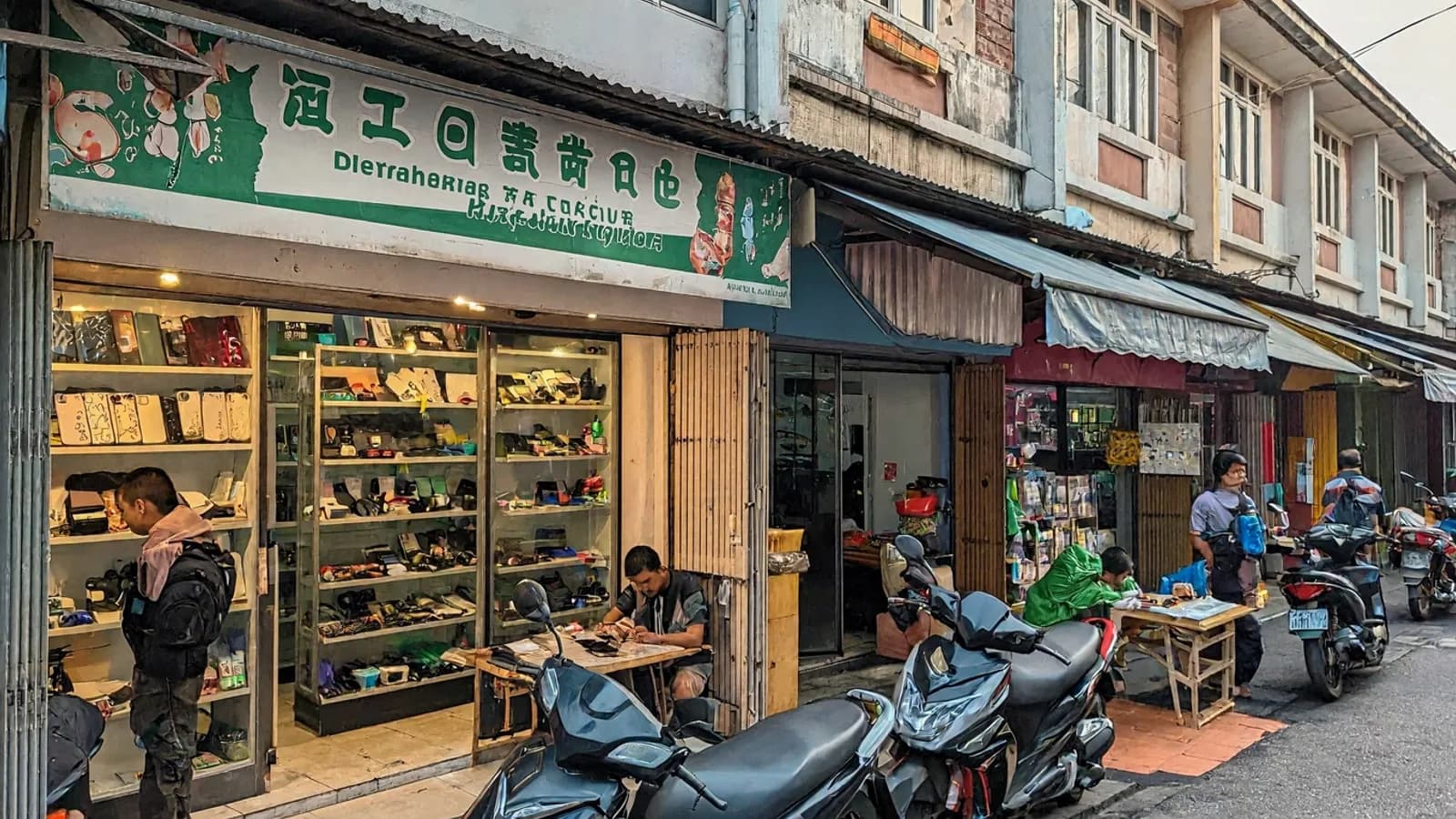
A phone counter looks like a business you can open anywhere: a small display case, some accessories and a sign. In reality, many counters close within a year because the location is wrong. More and more people top up credit themselves through apps, so counters now depend on accessories, repairs and customers who need something right now. This guide helps you judge whether a site really has buyers for your counter, and what to check before you pay the rent.
First, Understand Where a Counter's Money Comes From
Before you assess a site, decide what kind of counter you want to run. Each service has different customers and different location needs. A repair-focused counter can survive on a quieter street once it is known, while an accessory counter relies heavily on people passing by and stopping.
Service | Main buyers | Locations that tend to suit | What to check |
|---|---|---|---|
Credit, data packages, vouchers | Residents not used to topping up via apps, workers, older people | Dense neighbourhoods, near markets, industrial areas | Whether locals still buy at counters rather than via apps |
Accessories (cases, cables, chargers, screen protectors) | Students, young workers, impulse buyers | Near campuses, schools, bus terminals, busy pedestrian streets | Foot traffic and motorbikes that can easily stop |
Repairs (screens, batteries, software) | Anyone with a broken phone, often from a wider radius | Easy-to-find streets, near boarding houses and housing | Power supply, workbench, customers' trust in leaving phones |
Buying and selling used phones | Budget buyers and sellers needing quick cash | Phone trading centres or streets known for phones | Security, trust and local rules on second-hand goods |
Most counters combine several services. Decide which one is your main source of profit, then judge the site by that service's needs rather than by general busyness.
Signs of a Site That Usually Supports a Counter
Near campuses, schools and boarding houses. Young people often change cases, lose cables and crack screens. Remember these areas can go quiet during long holidays.
Near markets and terminals. Many people arrive with urgent needs: a flat battery, a broken cable or a new SIM card.
Dense residential areas. Good for repairs and credit, because residents want a trusted place nearby.
Industrial areas. Spending may rise around paydays, but confirm this pattern through your own observation.
Phone trading centres. Buyers arrive intending to shop for phones, but price competition is very tight.
How to Read Demand in the Field
Population data from BPS helps you see the size and age profile of each district, such as how large the school-age and young working-age groups are. But the final decision should rest on direct observation. Follow these steps:
Map existing counters within roughly 500 metres' walking distance. Note what they sell, whether they do repairs and their opening hours.
Watch the nearest counter for 1–2 hours at a busy time, such as late afternoon. Count how many people go in and what they buy. Do not count people who only ask prices.
Count boarding houses, schools and campuses nearby. Ask boarding-house owners how many rooms are occupied.
Make a small purchase at a competitor, such as a data cable. Note the price, service and stock range. This shows you where the gaps are.
Ask residents and nearby traders where they usually get phones repaired. If the answer is far away, there is unmet demand.
Repeat your observation at different days and times, including evenings and weekends, since many accessory buyers come after work or classes.
When Are There Too Many Competitors?
Several counters close together are not necessarily bad; sometimes they make a street known as the place to buy accessories. The problem comes when every counter sells the same items at the same prices and few buyers come. If you still want to enter, prepare a clear difference, such as fast, guaranteed repairs, accessories for less-served brands, or longer opening hours.
Security: Small Items, High Value
A counter stores small items that are easy to carry and resell, including customers' phones left for repair. That makes site security a core issue, not an afterthought.
Ask nearby business owners and the neighbourhood head (RT) whether there have been thefts or break-ins along the row.
Check the roller shutter and locks, and whether extra security grilles can be fitted.
Look at street lighting at night and whether other businesses nearby stay open late.
Make sure there is a lockable place to store repair phones, such as a safe or a strong drawer.
Plan CCTV covering the display and the door, and ask whether the owner allows it.
Signal, Power and Workspace
These technical points are often forgotten, yet they directly affect your service:
Mobile signal. Test SIM cards from several operators indoors. Activating SIMs, checking phones and digital transactions all need a stable signal.
Internet. Check whether fixed broadband reaches the address, especially if you handle digital payments or software updates.
Electrical capacity. Soldering irons, heaters for removing screens, chargers running all day, display lighting and fans or air conditioning need enough power. Ask about the installed capacity and the cost of an upgrade.
Repair bench. Repairs need a brightly lit, dust-free bench, ideally visible to customers so they feel reassured.
Display frontage. Measure the width of the shopfront. An accessory counter needs a front that is clearly visible from the road, not just a large interior.
Compare Rent With Gross Profit, Not Revenue
A counter's revenue can look large, especially if you sell credit or phones, but margins vary widely by product. What actually pays the rent is gross profit: selling price minus the cost of goods. Here is a simple illustration; every figure is only an example and should be replaced with real numbers from your rental offer and suppliers.
Item (monthly illustration) | Example figure |
|---|---|
Rent (example Rp24 million per year) | Rp2,000,000 |
Electricity and internet | Rp600,000 |
Wage for one shop assistant | Rp2,500,000 |
Other (fees, security, packaging) | Rp400,000 |
Total fixed costs | Rp5,500,000 |
Minimum gross profit per day (30 trading days) | about Rp183,000 |
Suppose the average gross profit is Rp15,000 per accessory and Rp50,000 per minor repair. Just to cover fixed costs, you would need a mix such as 7 accessories and 2 repairs a day. Compare this with the number of buyers you saw at competitors during your survey. If the required numbers are well above what you observed, the site is too expensive for your concept.
Field Checklist Before You Lease
Main service decided (accessories, repairs, credit or used phones).
Competing counters within walking distance mapped, with their services noted.
Buyers at the nearest counter observed at least at two different times.
Boarding houses, schools, campuses or markets nearby counted.
The shopfront is clearly visible from the road and motorbikes can stop easily.
Signal from several operators is stable indoors.
Fixed broadband is available at the address.
Electrical capacity is enough for repair tools and display lights.
Roller shutter, locks and the option of grilles checked.
Neighbours and local leaders asked about past thefts.
Street lighting at night is adequate.
The owner allows CCTV, signage and display cases.
Minimum daily gross profit calculated and compared with survey results.
A good counter location is not the busiest one, but the one busy with people who need something for their phone.
Conclusion
A phone counter can survive in many places, as long as the site matches the main service you choose. Start by deciding your source of profit, then spend a few days watching competitors and potential buyers around the site. Check security, signal and power before negotiating rent, and make sure the daily gross profit you need is realistic compared with what you saw on the ground. Take the checklist above on your next survey, and compare at least two or three sites before signing a lease.