Choosing a Location for a Frozen Food Shop: Households, Resellers, Freezer Power and Other Must-Checks
A frozen food shop lives on households stocking up, resellers and food vendors, not on passing trade. Learn how to read nearby buyers, work out freezer power needs, assess outage risk and test a site before you lease.
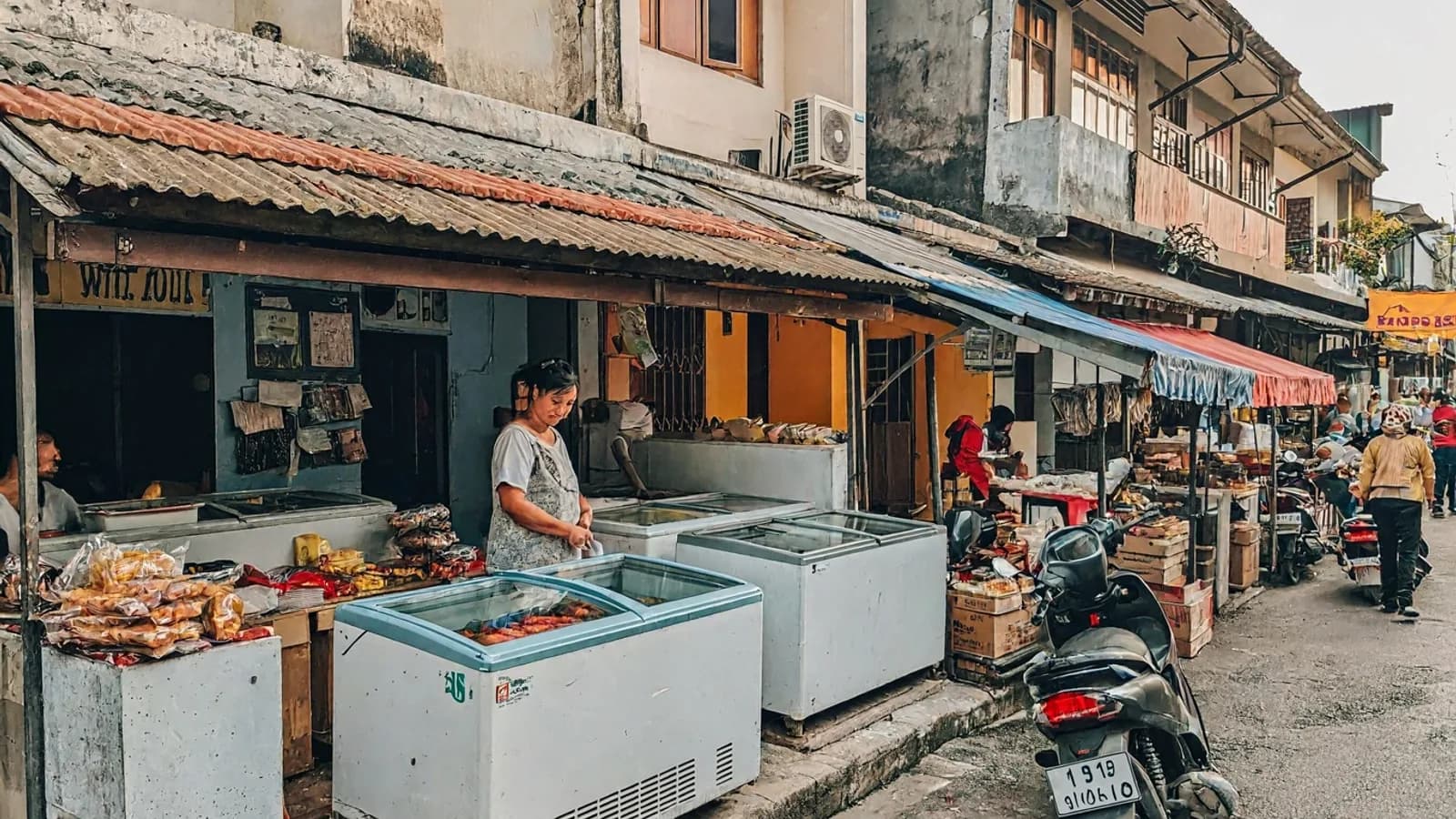
A frozen food shop looks simple: rent a space, install a few freezers, stock nuggets, sausages, meatballs and dim sum, then wait for customers. In reality, many frozen food shops struggle because the site was chosen with ordinary retail logic, looking for the busiest road. Frozen food buyers rarely shop because they happen to pass by. They come with a plan, buy in fairly large amounts and want to get home before things thaw. Location also decides something that is easy to forget: whether the power supply is strong and stable enough to keep freezers cold around the clock.
This guide helps you read who buys frozen food around a potential site, check electrical capacity and reliability, assess the building, and work out whether the rent still makes sense before you sign.
Know Who Will Buy First
Before viewing any shophouse, decide who your main buyers are. Each group shops differently and needs different things from a location.
1. Homemakers and young families
They stock up on convenient side dishes for school lunches or dinner. They usually shop once a week or every few days, often after work or after the school run. This group needs a site close to housing, easy to reach by motorbike and on the way home.
2. Resellers and home-based online sellers
Many frozen food shops earn a large share of sales from resellers who sell on to neighbours or through WhatsApp groups. They buy in bulk, care a lot about wholesale prices and need room to load goods onto a motorbike or car.
3. Food vendors
Sellers of fried snacks, grilled sausages, cilok, angkringan stalls or small eateries often buy frozen ingredients daily or several times a week, usually in the morning or around midday before trading. Areas with many street vendors, near schools or near markets can provide regular buyers.
4. Boarding-house residents and single workers
They buy small amounts but often. They suit you if you sell small packs or offer delivery. But many boarding-house rooms have no freezer, so do not count them as core buyers without checking first.
Reading the Buyers Around a Potential Site
Frozen food shops generally serve buyers within a short motorbike ride, because frozen goods cannot spend long in transit. Use these steps to size up the market around a site.
Map housing and residential areas within a realistic range for your neighbourhood. Roughly count blocks or alleys, then compare with district population figures from BPS for a sense of density.
Look for signs of young families: primary schools and preschools, motorbikes with child seats, children's clothes on washing lines and baby supply shops. These point to buyers of convenient side dishes.
Count food vendors on nearby streets in the morning and evening. Note those clearly using frozen ingredients such as sausages, nuggets or meatballs.
Check competitors: other frozen food shops, minimarkets with large freezers, baking supply shops and home-based sellers advertising in residents' groups. Record prices for a few identical products.
Ask residents and shopkeepers where they usually buy nuggets or sausages, how far it is, and what bothers them, such as price, brand choice or items often out of stock.
Competitors do not automatically mean a bad site. If the nearest frozen food shop often runs out of stock, has little choice or closes early, that is a gap you can fill. Be wary of areas that already have a large frozen food shop with wholesale prices and plenty of parking, because resellers tend to stay loyal to the cheapest, best-stocked store.
Shop Position: On the Way Home and Easy to Stop
Because buyers want to get home quickly after buying frozen goods, a site on the side of the road heading home to the housing area usually beats the outbound side. Customers do not need to U-turn and can take their shopping straight home.
Easy to stop on a motorbike. Make sure several bikes can pull over without blocking traffic.
Loading space. Resellers and suppliers need to load or unload boxes. Narrow roads with no-stopping rules make this hard.
No need for a very busy main road. Connector roads between housing and the main road often work better, cost less in rent and are easier to stop on.
Clearly visible from the direction buyers come from. Freezers inside are invisible from the street, so you need signage and a frontage that instantly says frozen food.
Power: The Most Critical Factor for a Frozen Food Shop
Your frozen stock can be worth far more than a month's rent. If the power goes out for long or capacity is insufficient, goods can thaw and spoil. That is why electricity must be checked before you commit to a site, not after you move in.
Work out your power needs
Check the specification label on every freezer you plan to use; it lists power in watts. Add up all freezers, then add lights, fans or air conditioning, the till and other devices. Remember that freezer compressors can draw a higher current briefly when they start, so leave headroom.
Equipment (illustration) | Quantity | Power per unit (example, check label) | Total |
|---|---|---|---|
Large chest freezer | 3 | 150 W | 450 W |
Glass display freezer | 1 | 250 W | 250 W |
Shop lights | 6 | 15 W | 90 W |
Fans | 2 | 45 W | 90 W |
Till, phone, router | 1 set | 50 W | 50 W |
Estimated total | around 930 W |
These figures are only an illustration. Freezer power varies by brand, size and age. In this example, a 900 VA connection is clearly too tight, especially if compressors start at the same time. A 2,200 VA connection or higher would be safer. Ask the owner what capacity is installed on the meter, and if you need an upgrade, make sure the owner agrees and settle who pays. You can ask your local PLN office about upgrade costs.
Check power reliability
Ask neighbouring businesses how often the power has gone out in recent months and for how long.
Notice whether voltage drops in the area, for example lights dimming during the evening peak.
Check the wiring: old cables, loose sockets or a circuit breaker that trips often mean you need to fix the installation before opening.
Plan a backup: a small generator, an arrangement with your supplier, or a rule not to open freezers during outages.
Building and Storage Space
A frozen food shop does not need a fancy space, but some building conditions directly affect power bills and how well stock keeps.
Sun direction. A west-facing shop hit by afternoon heat makes freezers work harder. Awnings or blinds help, but count the cost.
Airflow. Freezers release heat into the room. A cramped, unventilated space raises the temperature and wears out compressors.
Level, dry floor. Freezers must stand steady. Damp floors or flood-prone spots are dangerous for electrical equipment.
Room for customers. Leave space for buyers to look into freezers and for resellers to lift boxes without crowding.
Extra storage. If you buy in bulk from a distributor for better prices, you need space for spare freezers.
Distance to Suppliers and Delivery
Find out where your stock will come from. If a distributor delivers, ask about minimum orders and delivery schedules. If you collect it yourself, count travel time and transport cost, since frozen goods must get into a freezer quickly too.
For delivery, a site in the middle of a residential area allows quick drop-offs with insulated bags. A site on the edge of the area with congested roads means longer delivery times and a higher risk of thawing.
Example Calculation: Does the Rent Still Make Sense?
Frozen food margins are usually thin, especially on reseller sales. So work out the minimum revenue needed to cover rent and power before deciding. The figures below are illustrations only; replace them with your own rent offer, estimated power bill and supplier margins.
Item (illustration) | Per month |
|---|---|
Rent | Rp3,000,000 |
Electricity (estimate) | Rp1,200,000 |
One employee's wage | Rp2,500,000 |
Packaging, transport, other | Rp800,000 |
Total fixed costs | Rp7,500,000 |
Average gross margin (example) | 20% |
Minimum revenue to cover costs | Rp37,500,000 a month, or about Rp1,250,000 a day |
Once you have a minimum daily revenue, compare it with your survey. If you expect an average basket of Rp60,000, you need around 21 buyers a day just to cover costs. Do the families, vendors and resellers around the site make that realistic? If in doubt, look for lower rent or test demand first with pre-orders in residents' groups.
Field Survey Checklist for a Frozen Food Shop
Housing or dense neighbourhoods within a short motorbike ride.
Signs of young families: schools, preschools, children's laundry, baby shops.
Food vendors nearby who use frozen ingredients.
Competitors recorded: distance, prices, range, opening hours.
Site on the side of the road heading home, with no U-turn needed.
Room for motorbikes to stop and for loading boxes.
Installed power capacity checked and sufficient, or the owner allows an upgrade.
Outage history asked of at least two neighbouring businesses.
Wiring and circuit breaker in good condition.
Building not too hot, with enough ventilation for freezers.
Floor level, dry and not prone to flooding.
Supplier distance and delivery schedule confirmed.
Minimum daily revenue calculated and compared with expected buyers.
For a frozen food shop, the right location is not the busiest one, but the one closest to your buyers' kitchens and safest for your freezers.
Conclusion
A frozen food shop lives on buyers who come with a plan: families stocking up, resellers and food vendors. Choose a site close to them, easy to stop at on the way home, and with enough stable power. Next step: decide your main buyer group, survey two or three candidate sites with the checklist above in the morning and evening, check power capacity and outage history, then calculate your minimum daily revenue before agreeing to any lease.