Choosing a Location for a Cosmetics and Skincare Shop: Young Shoppers, Room Temperature, Lighting and Other Must-Checks
A cosmetics shop competes head-on with online marketplaces, so its location has to give people a reason to come: trying testers, needing something today and trusting that products are genuine. Learn how to read nearby shoppers, check heat and light, and work out minimum revenue.
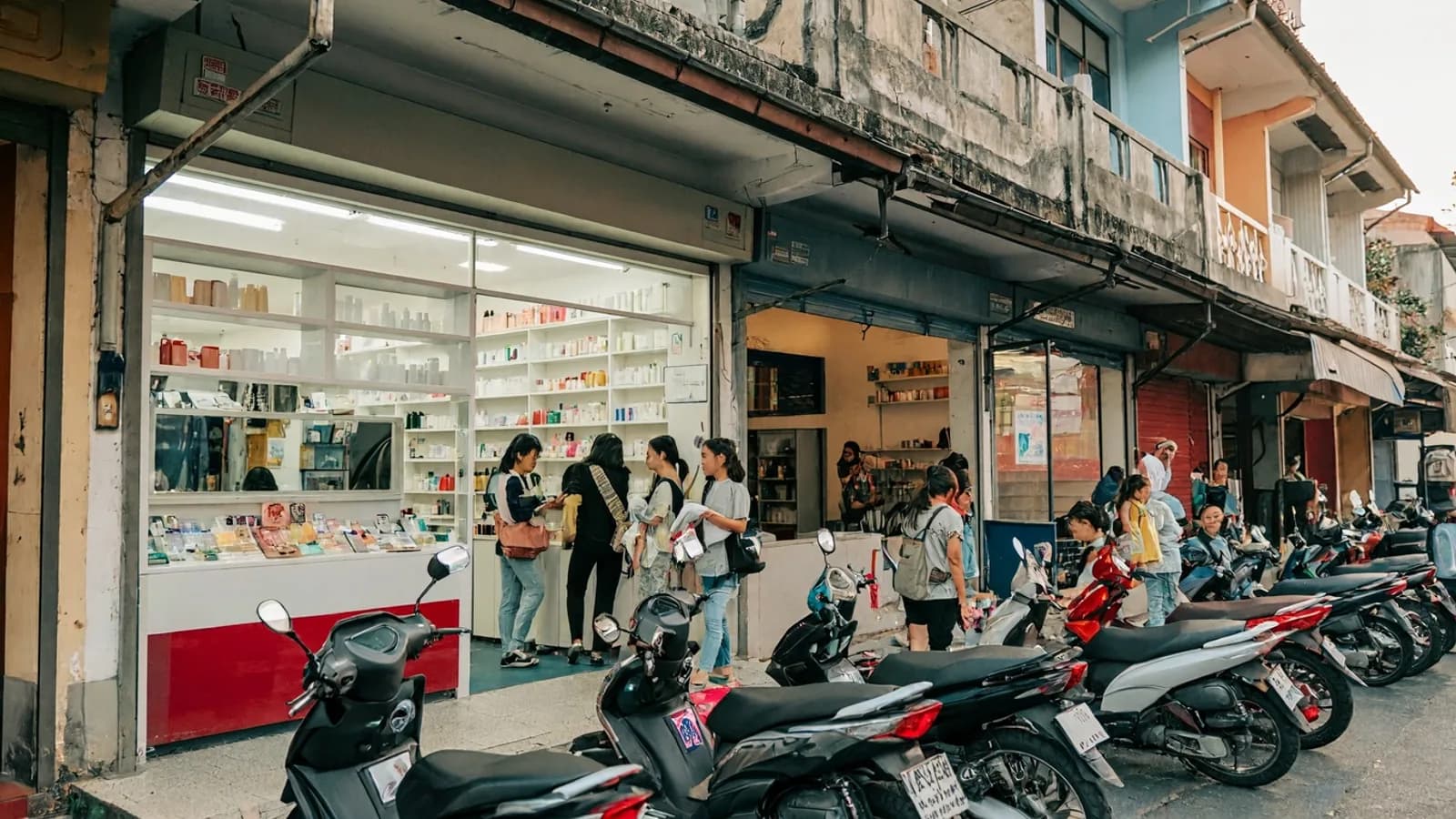
You want to open a cosmetics and skincare shop, but one question keeps nagging: why would anyone come to your store when the same products are a few taps away on a marketplace? Much of the answer lies in location. Cosmetics shops that last are usually close to people who want to try before they buy, need it today, or want to be sure it is genuine. A busy site full of people who do not fit those groups can still be quiet.
This guide covers how to read the likely shoppers around a site, choose the right neighbours, check technical details that are easy to forget such as room temperature and lighting, and work out your minimum revenue before you sign a lease.
Why Physical Cosmetics Shops Still Have a Place
Before choosing a site, be clear about why shoppers visit a physical store. Those reasons decide which kind of location suits you.
Trying shades and textures. Foundation, cushion compacts, lipstick and powder are hard to choose from photos. Shoppers want to match their skin tone in clear light.
Urgent needs. The sunscreen has run out, there is a wedding tonight or a job interview tomorrow. These buyers will not wait for delivery.
Confidence about authenticity. Many shoppers worry about fake or expired products online and trust a shop they can walk into.
Advice. Skincare beginners often want to ask about routines or products for acne-prone skin.
Gifts and bundles. Birthday, graduation and Lebaran hampers are often bought in person so they can be wrapped.
So the best location is where people with these needs often pass or live and can stop easily, not simply the road with the most vehicles.
Reading the Likely Shoppers Around a Site
Who lives, studies and works nearby
Cosmetics and skincare buyers are mostly teenage to young adult women, although men buying basic skincare are a growing group. The pockets of shoppers that most often support a cosmetics shop include campuses and senior high schools, women's boarding houses (kos putri), office areas with many young staff, and housing with young families.
You can check a district's age structure in the Kecamatan Dalam Angka publications on the BPS website. This helps you compare districts, but it does not replace walking the streets and alleys around the site yourself.
Field signs to look for
The number of women's boarding houses and "kos putri" signs within walking distance or a five-minute ride.
How many salons, nail studios, beauty clinics and bridal make-up studios are nearby, a sign of demand for personal care.
Shoppers at women's clothing shops, hijab stores and trendy drink kiosks in the late afternoon.
Online parcels being delivered to boarding houses and homes. Lots of parcels means residents are used to buying online, so you need a strong reason for them to visit.
Prices at neighbouring businesses, such as drinks or haircuts, as a rough guide to spending power.
Neighbours That Help and Neighbours That Hurt
A cosmetics shop depends heavily on its neighbours. Shoppers rarely make a trip for one item, so you want to sit on a route they already use.
Neighbour | Effect | Notes |
|---|---|---|
Hijab and women's clothing shops | Helpful | Same shoppers, often combined in one trip |
Salons, nail studios, make-up studios | Helpful | Potential referral or consignment partners |
Trendy drink kiosks | Helpful | Bring young shoppers in the afternoon and evening |
Franchise minimarkets | Mixed | Busy, but they also sell basic skincare at competitive prices |
Pharmacies | Mixed | Compete on some skincare lines but bring steady footfall |
Workshops, building suppliers, dusty businesses | Harmful | Dust settles on displays and shoppers do not linger |
Count the other cosmetics shops nearby too. One or two competitors are not necessarily bad, especially if the area is already known for women's shopping. Be wary of rivals selling exactly the same products at prices you cannot match. Visit them and note their brands, price range and busy hours.
The Building: Temperature, Light and Mirrors
This part is often overlooked because owners focus on footfall. Yet the wrong building can damage stock and make it hard for shoppers to choose shades.
Room temperature and direct sun
Many cosmetics and skincare products carry storage instructions such as "store in a cool, dry place away from direct sunlight". Read the labels of what you plan to sell and compare them with the room. A west-facing shophouse with a wide glass front can get very hot in the afternoon. Lipsticks soften, creams change texture and packaging fades.
Visit the site between about 2 pm and 4 pm and feel how hot the room gets.
Check whether direct sunlight falls on the area where shelves will go.
Make sure the power supply can run air conditioning throughout opening hours.
Inspect the roof and ceiling for leaks, since water can ruin stock overnight.
Lighting for shade matching
Shoppers need to see foundation and lipstick colours honestly. A dark room or yellowish lights make them hesitate and walk out without buying. You can add lamps, but it is better to have indirect daylight from the front, enough space for a mirrored tester counter and no harsh glare off the glass.
Display security
Cosmetics are small, not cheap and easy to slip into a pocket. Choose a layout where the cashier can see every shelf. Avoid L-shaped rooms or spaces full of hidden corners. Also consider a sturdy roller shutter and good lighting outside at night.
Access and Shopper Comfort
In most Indonesian towns, cosmetics shoppers arrive by motorbike or on foot from nearby boarding houses. Make sure there is room to park motorbikes and that parking attendants do not put people off a quick stop. Women shoppers also feel more comfortable at sites that are well lit, not surrounded by loitering groups and easy to reach in the late afternoon and evening, when many students and workers head home.
If you plan to fulfil online orders, check that couriers can pick up easily: somewhere to stop briefly, and not deep inside a narrow alley a delivery van cannot enter.
Work Out Minimum Revenue Before You Lease
Cosmetics margins vary widely depending on brands, sourcing and distributor discounts. Ask your intended distributors for their price lists and calculate your own average gross margin. The table below is only an illustration of how to do the sum.
Item (illustration) | Example figure |
|---|---|
Annual shophouse rent | Rp 60 million (Rp 5 million a month) |
Wages, air conditioning power, internet, other costs per month | Rp 7 million |
Total fixed costs per month | Rp 12 million |
Average gross margin (example) | 30% |
Minimum revenue per month | Rp 12 million ÷ 30% = Rp 40 million |
Minimum revenue per day (30 days) | About Rp 1.33 million |
Average spend per shopper (example) | Rp 75,000 |
Minimum shoppers per day | About 18 transactions |
Once you have figures like these, test them against your survey. Count how many people enter cosmetics or women's clothing shops near the site in one late-afternoon hour. Ask nearby owners when it is busy and when it is quiet. If your minimum number of transactions looks hard to reach, look for a cheaper site or cut fixed costs.
Steps to Choose a Cosmetics Shop Location
Decide on your main shoppers: students, office workers, young mothers or a mix.
Shortlist two or three districts using BPS data and early observation.
Map campuses, women's boarding houses, salons, hijab shops and competitors around each site.
Survey in the late afternoon and evening on weekdays, then again at the weekend.
Check the building: orientation, afternoon heat, light, power for air conditioning and leaks.
Calculate minimum revenue using the margin from your distributor's price list.
Compare the results, then negotiate rent and lease clauses before signing.
Field Survey Checklist
Are there campuses, schools, women's boarding houses or offices with young staff nearby?
Are there salons, hijab shops or women's clothing shops nearby that are busy in the afternoon?
How many competing cosmetics shops are close by, and which brands do they sell?
Does direct sun hit the room in the afternoon?
Is the power supply enough for air conditioning and lighting all day?
Do product colours look true under the room's lighting?
Can the cashier see every shelf from one spot?
Is motorbike parking easy and safe?
Is the site well lit and comfortable for women to visit at night?
Can couriers stop easily to collect parcels?
Are there signs of leaks in the roof or ceiling?
Does the footfall you observed make sense against your minimum daily transactions?
Conclusion
A cosmetics and skincare shop needs more than a busy road. A good location is close to young shoppers who want to try products, need them quickly and want the real thing; sits next to businesses that serve the same people; and offers a room that is cool, bright and easy to supervise. Your next step: define your main shoppers, shortlist two or three sites and take the checklist above on a late-afternoon visit. Work out your minimum revenue using your own margins before you discuss rent with the owner.