Choosing a Location for a Furniture Shop: Showroom Space, Deliveries, New-Home Buyers and Other Must-Checks
A furniture shop does not live on passing trade but on families moving house, newlyweds and boarding-house owners furnishing rooms. Learn how to choose between a furniture cluster and a standalone site, and assess showroom space, delivery access, storage and minimum sales.
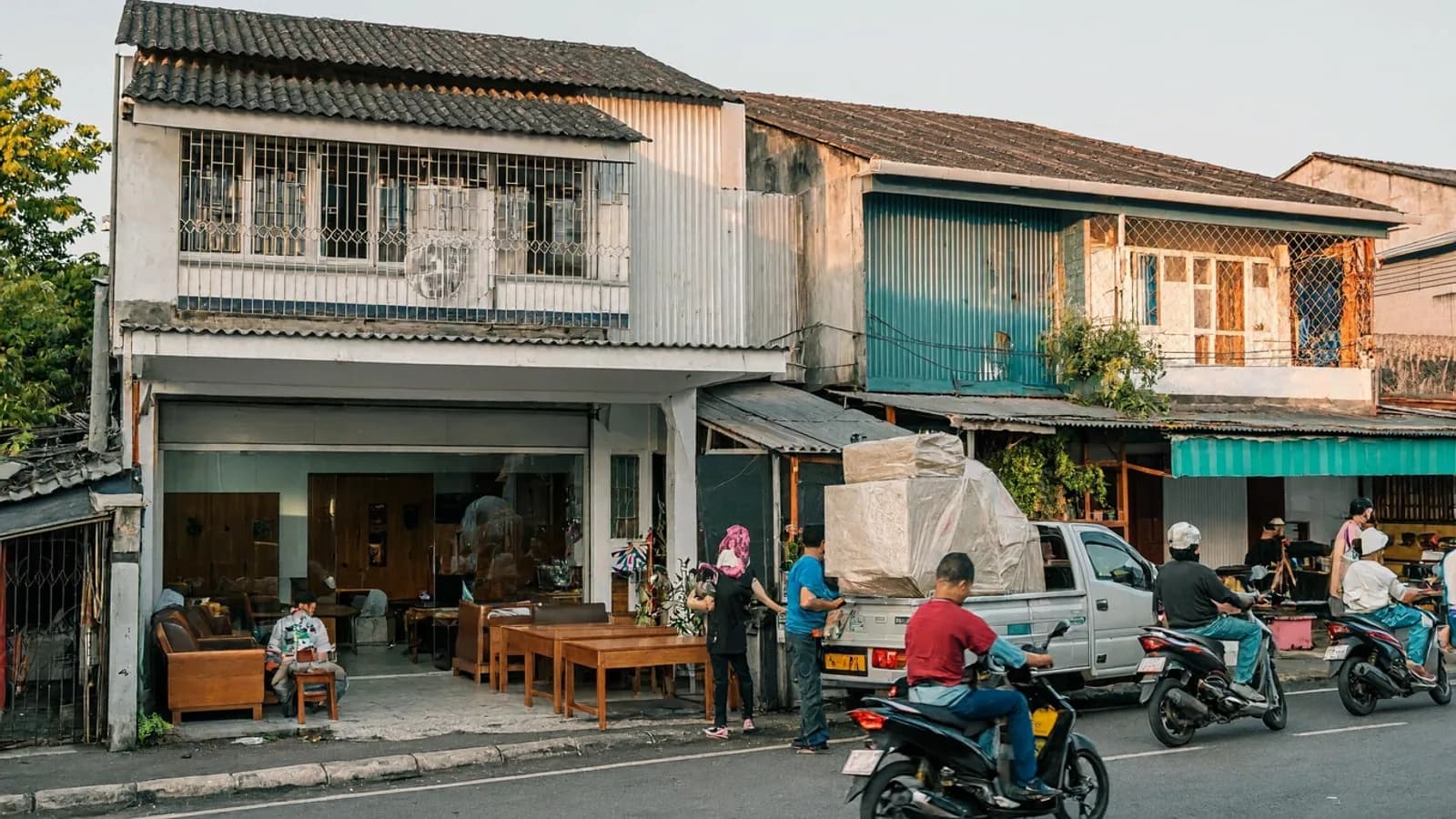
A furniture shop faces different problems from most retail businesses. The goods are bulky, prices are relatively high, and people rarely buy a wardrobe or sofa on impulse as they walk past. Many furniture sellers rent a shophouse on a busy road hoping to be seen, only to find the showroom is cramped, delivery vehicles struggle to get in and out, and buyers prefer the furniture cluster in the next district. This guide helps you assess a potential site from the point of view of real furniture buyers.
Who Buys Furniture and When
Furniture purchases are almost always triggered by an event: moving house, getting married, renovating, opening a boarding house, or opening an office or café. A good location is one close to where these events happen often, or one that is easy to reach for people who are deliberately shopping.
Families who have just moved into a new estate or rented house, usually needing wardrobes, beds, a dining table and shelves quickly.
Newlyweds, who often buy a full set at once and compare prices carefully.
Boarding-house and rental owners, who buy in volume, choose simple designs and push for good prices.
Small offices, cafés and clinics, needing desks, chairs and shelving in specific sizes.
Households renovating or replacing old pieces, often arriving after browsing social media or marketplaces.
Ask yourself which group most of your sales will come from. The answer decides whether you need to be near new housing, near boarding-house areas, or inside a furniture cluster.
Furniture Cluster or Standalone Site?
Furniture buyers like to compare. They want to see several shops in one trip, feel the materials and bargain. That is why a row of furniture shops on one road often stays busy despite the competition. But a cluster also means pressure on prices and plenty of alternatives for the buyer.
Aspect | In a furniture cluster | Standalone site near housing |
|---|---|---|
Who comes | Buyers ready to purchase, coming specifically to compare | Local residents, buyers who want something close and quick |
Price competition | Tight; buyers can easily walk next door | Looser, but buyers also have fewer choices |
Rent | Usually higher on the cluster's main stretch | Can be lower, depending on road and area |
Marketing needed | Less, as the cluster is already known | More; you must build your own name |
Best for | Wide ranges and competitive pricing | Practical pieces, custom orders, fast delivery |
Rents and competition vary widely between cities. Check for yourself by asking the rent on several empty shophouses inside and outside the cluster, then compare them using the calculation below.
Showroom: Furniture Needs Room to Be Seen
Sofas and wardrobes packed tightly together look like a warehouse, not a shop. Buyers want to picture the piece in their home. When assessing a building, look at the following.
Floor size and shape
A wide unit is easier to lay out than a narrow, very deep one, because buyers standing at the front can see more. An upper floor can add display space, but make sure the stairs are wide enough to carry wardrobes up and down.
Doors, ceilings and frontage
Measure door width and height. A three-door wardrobe or long sofa must get out without being dismantled.
A low ceiling makes it hard to display tall wardrobes upright.
A rolling door that opens fully and a glass front help goods be seen from the road.
Floors must be level and strong, since heavy pieces are moved often.
Delivery Access and Loading
Nearly every furniture sale is followed by a delivery. A busy site where a pickup truck cannot stop will cause trouble every day, both when stock arrives from suppliers and when it goes out to buyers.
Check whether a pickup or small truck can stop in front for loading without blocking traffic.
Ask about parking rules and no-stopping hours on that stretch, including from parking attendants and neighbouring shop owners.
Look at the roads into nearby estates and alleys: gates, high speed bumps or narrow lanes that make deliveries hard.
Work out the distance to your main buyer areas. The further away, the higher the delivery cost and the fewer deliveries per day.
Make sure buyers can park, since many furniture shoppers come as a couple or family by car.
Storage and Building Condition
Furniture stock takes up space. Decide whether your storage is inside the shop or separate; if separate, count the time and cost of moving goods. For wooden furniture, damp, leaks and termites can ruin stock within months. Ask neighbours about flooding and leaks, check for water stains low on the walls, and look for termite damage on door and window frames.
Reading Household Growth Nearby
Because furniture purchases follow moves and marriages, areas where the number of households is growing tend to be more promising. You can compare population and household figures for several districts in the Kecamatan Dalam Angka publications from BPS. In the field, look for new estates handing over keys, banners for new boarding houses and lots of homes being renovated.
Watch the seasons too. Many furniture shops see demand rise around Lebaran, in wedding season, before the new school year when boarding rooms are refilled, and when new estates hand over units. Ask local furniture sellers or removal workers which months are busiest and quietest in that area.
Worked Example: How Many Sales Do You Need?
Because each transaction is large but there are few of them, the best way to judge rent is to work out how many sales per month you need. The table below is an illustration only; replace every figure with data from your own survey and suppliers.
Item (illustration) | Example monthly value |
|---|---|
Shophouse rent (Rp120 million a year divided by 12) | Rp10,000,000 |
Staff and delivery crew wages | Rp9,000,000 |
Electricity, water, internet, security | Rp2,000,000 |
Fuel and upkeep of delivery vehicle | Rp3,000,000 |
Total fixed costs | Rp24,000,000 |
Average transaction value | Rp3,000,000 |
Example 30% gross margin per transaction | Rp900,000 |
Minimum sales to break even (24 million divided by 900 thousand) | about 27 transactions |
In this example you need roughly one sale a day just to cover fixed costs. Then ask whether this site can realistically deliver more than that. To check, watch how many buyers at nearby furniture shops actually leave with a receipt or a delivery over several days, and politely ask other owners how many deliveries they make each week.
Field Survey Checklist for a Furniture Shop
Door width and height fit the largest item you will sell.
Stairs to the upper floor are wide enough for wardrobes and sofas.
The frontage is open and goods are visible from both directions of traffic.
A pickup can stop for loading without breaking local rules.
There is parking for buyers with cars, at least during weekend peaks.
Roads to the main estates and boarding-house areas are passable for delivery vehicles.
No history of flooding, leaks or termites in the building.
There is room for storage, or a separate store nearby.
Nearby furniture shops have been listed, with their price ranges.
New estates, new boarding houses or visible renovations lie within easy reach.
The lease allows use of the forecourt for loading and display, where local rules permit.
You have asked nearby owners about busy and quiet months.
Conclusion
A good furniture shop location is not just a busy road; it is a place people furnishing a home can easily find, with a spacious showroom and easy access for delivery vehicles. Next step: define your main buyer group, pick two or three candidate sites, measure the buildings, watch nearby furniture shops for several days, and work out your minimum sales with your own figures before signing a lease.