Choosing a Location for a Bakery and Cake Shop: Breakfast Buyers, Event Orders, Oven Kitchen and Other Must-Checks
A bakery lives on breakfast buyers, event orders and gift cakes, not just on a busy road. Learn how to read buying times, find nearby sources of orders, check the oven kitchen and work out whether the rent makes sense.
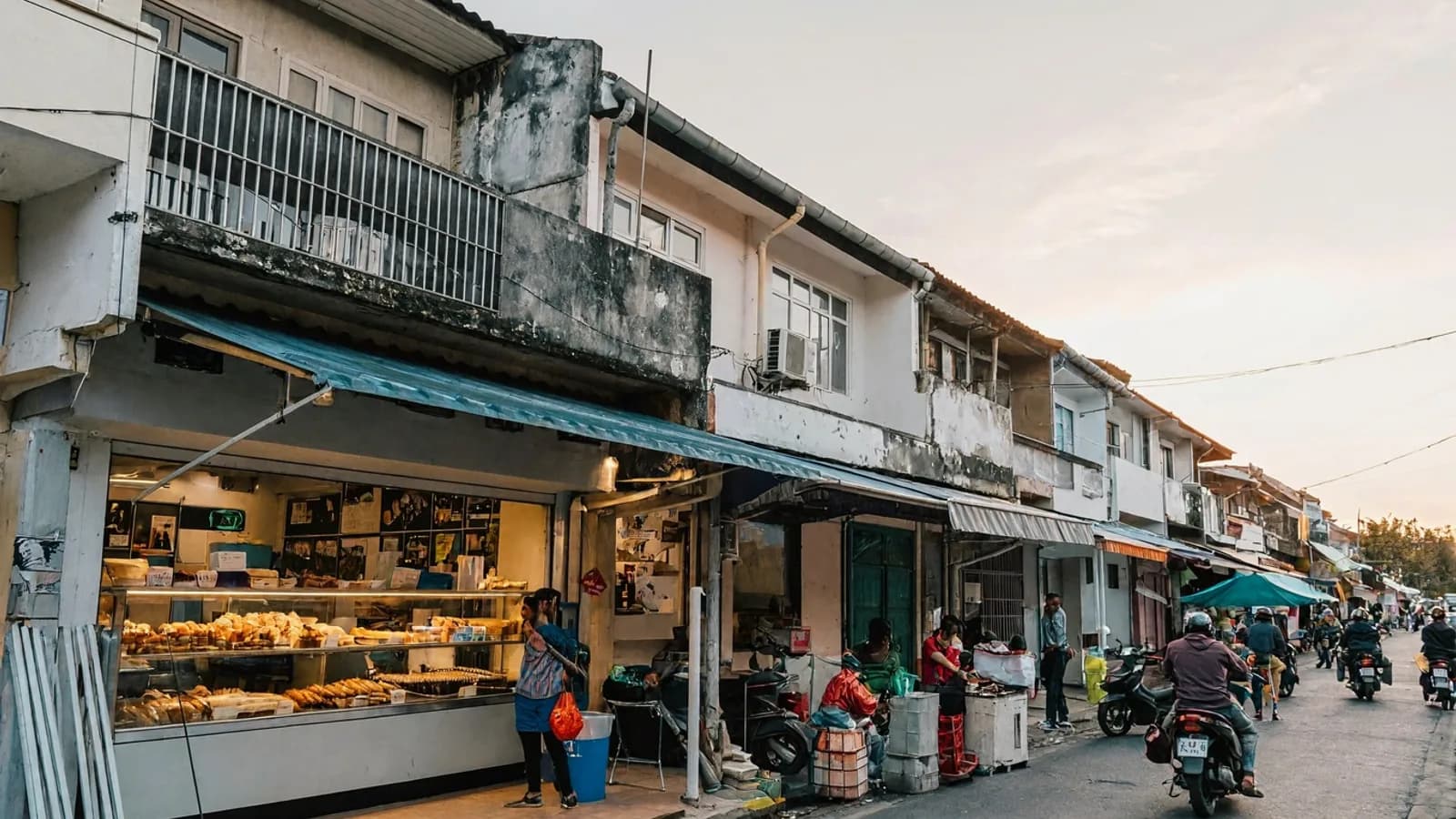
Many bakery owners pick a site because the road is busy, then are surprised to see bread left in the display case every night. The problem is that bread and cakes are bought at very specific times and for specific reasons: breakfast and packed snacks in the morning, an afternoon treat, and orders for birthdays, arisan gatherings, religious study groups or office meetings. On top of that, ovens need power, gas and ventilation that not every shophouse can provide. This guide helps you assess a potential bakery site before you pay the rent.
Know the Three Sources of Bakery Customers
Before judging a site, understand where a bakery's money usually comes from. Each source needs different location features, and the mix depends on your concept.
Customer source | Typical buying time | Supportive location | How to check |
|---|---|---|---|
Daily buyers (breakfast, packed snacks, treats) | Morning before work or school, late afternoon on the way home | Commuting routes, near schools, housing estate exits | Count bikes and pedestrians stopping at breakfast stalls around 06:00–08:00 and 16:00–18:00 |
Event orders (birthday cakes, snack boxes, cake towers) | Ordered 1–7 days ahead, collected midday or afternoon | Near offices, schools, mosques or study groups, function halls, young-family housing | List offices, schools and venues within 2–3 km; ask admins or organisers how they order snacks |
Gift or impulse buyers | Weekends, evenings, before major holidays | Roads with many private vehicles, near shopping centres or hospitals | Watch weekend and evening activity; see whether nearby gift shops or florists do well |
A small neighbourhood bakery usually relies on daily buyers and event orders. A premium cake shop relies more on orders and gift buyers, so visibility and parking matter more than pedestrian counts.
Reading Morning and Afternoon Buying Times
Breakfast bread is bought on the move. People rarely make a U-turn for a bag of bread, so the shop's position relative to morning traffic matters a lot. Cakes for the family, on the other hand, are often bought on the way home, on the opposite side of the road.
If you rely on breakfast bread, choose the side of the road people use on the way to offices or schools.
If you rely on cakes and afternoon snacks, the homebound side is usually better.
Check for somewhere to stop briefly: a shoulder, a front yard or motorbike parking. Morning bread buyers typically stop for one to three minutes.
Look at nearby breakfast stalls, nasi uduk sellers or porridge carts. If they are busy from dawn, people on that route have a habit of buying breakfast.
Find Sources of Event Orders Nearby
Event orders often rescue a bakery's revenue because they are large and predictable. They do not come from passers-by but from institutions and communities around the site.
Open a digital map and mark offices, schools, campuses, health centres, mosques, churches, function halls and community halls within roughly 2–3 km.
Visit a few and ask politely how often they order snack boxes or cakes for meetings and events, and where they usually order.
Look at how many young families live nearby. Families with small children often order birthday cakes and gift boxes.
Use district population data from BPS for a rough picture of population size and age structure, then compare it with what you see on the ground.
Note which competitors already serve these orders. If every institution names the same shop, find out what it does poorly that you could do better.
The Oven Kitchen: Power, Gas, Ventilation and Water
This is the part most often overlooked. A shophouse that looks perfect from the front can force big spending because its kitchen is not ready for bread production.
Electrical capacity
Electric ovens, mixers, proofers, chillers and display coolers can draw heavily at the same time. Check the installed meter capacity, add up your equipment's power needs from each appliance label, and ask PLN directly about the cost and lead time for an upgrade. Make sure the lease states who pays for it.
Gas, heat and ventilation
If you use a gas oven, plan a safe place for cylinders away from other flames. A bakery kitchen gets very hot, so it needs windows, an extractor or enough vents. A shophouse sealed at the back can make staff uncomfortable and dough harder to control.
Water, drainage and smell
Check water flow for washing equipment and drains that will not easily clog with dough and grease. The smell of baking is an asset, but make sure neighbours, especially residents, will not object to fumes or machine noise before dawn, since bread production often starts very early.
Kitchen on site or a separate kitchen?
If shophouses in the busy spot are too small or expensive for a kitchen, consider producing in a cheaper location and running a small display shop in the busy one. Count the daily delivery cost and the risk of damaged goods in transit before choosing this model.
Display, Temperature and Visibility
Bread and cakes sell through the eyes. The display must be clearly visible from the road before customers pass the shop. Watch the sun's direction too: a display hit by direct afternoon sun melts cream and dries bread quickly, so you will need an awning or extra cooling. Cream and cheese cakes need a chiller, so make sure there is space and power for one.
Reading the Competition Properly
A bakery's competitors are not only other bakeries. There is packaged bread in minimarkets, traditional cake sellers at the market, roving bread carts and home bakers selling on social media. Note each one's prices, products and busy times. If cheap packaged bread is everywhere, your shop needs a clear edge, such as bread baked fresh every morning or custom-designed cakes to order.
Illustrative Calculation: Does the Rent Make Sense?
The figures below are an illustrative example only, to show the method. Replace them with rent, wage and price figures from your own survey.
Item | Illustrative example | Notes |
|---|---|---|
Monthly rent | Rp5,000,000 | From, say, Rp60 million per year |
Wages for 2 staff | Rp6,000,000 | Adjust to local wage levels |
Electricity, gas, water | Rp2,500,000 | Ovens and chillers make this large |
Other fixed costs | Rp1,500,000 | Basic packaging, fees, maintenance |
Total fixed costs | Rp15,000,000 | Per month |
Average spend per transaction | Rp35,000 | Check against nearby competitors |
Gross margin after ingredients and unsold bread | 40% | Leftover bread must be counted |
Gross profit per transaction | Rp14,000 | Rp35,000 x 40% |
Minimum transactions per month | About 1,072 | Rp15,000,000 ÷ Rp14,000 |
Minimum transactions per day | About 36 | If open 30 days |
Once you have the minimum number of transactions, compare it with your survey. If you only saw a handful of people stopping to buy food at breakfast and in the afternoon, dozens of sales a day will be hard, unless you are confident event orders can make up the gap.
Steps to Survey a Potential Bakery Site
Decide your main customer source: breakfast, event orders or gifts.
Survey traffic and buyers in the morning, late afternoon and at the weekend, including which side of the road they use.
Map offices, schools, places of worship and venues within 2–3 km, and interview a few.
Inspect the kitchen: meter, gas storage, ventilation, water and drainage.
Record competitors with their prices and best-selling products.
Work out minimum daily transactions and compare them with your survey.
Discuss power upgrades, kitchen renovation and pre-dawn operating hours with the owner before signing.
Field Checklist
The shop is on the side of the road that matches your main buying time (outbound or homebound).
There is space for motorbikes and cars to stop briefly in front.
There are busy breakfast stalls or morning food sellers nearby.
At least several offices, schools or venues within 2–3 km regularly order snacks.
Electrical capacity is enough, or the upgrade cost is clear and agreed.
There is a safe spot for gas cylinders and adequate kitchen ventilation.
Water flows well and drains do not clog easily.
The display is visible from the road and not in direct afternoon sun.
Neighbours do not object to early-morning production.
Competitors' prices and products are noted, including minimarket bread and online sellers.
Your minimum daily transactions look realistic against the survey results.
Conclusion
A good bakery location is not just busy; it matches your customers' buying times, sits near sources of event orders and has a kitchen that can run ovens every day. Next step: shortlist two or three sites, survey them morning and afternoon, map your order sources, inspect the kitchen with the owner and calculate your minimum transactions. If the numbers hold up on paper and on the ground, you are ready to negotiate the lease.