Choosing a Location for a Tailoring and Alterations Business: Regular Customers, Uniform and Lebaran Seasons, and Workspace to Check
A tailoring and alterations shop lives on customers who come twice, to drop off and to collect, and on uniform and Lebaran seasons. Learn how to read order sources, judge drop-off access and workspace, and work out your minimum orders.
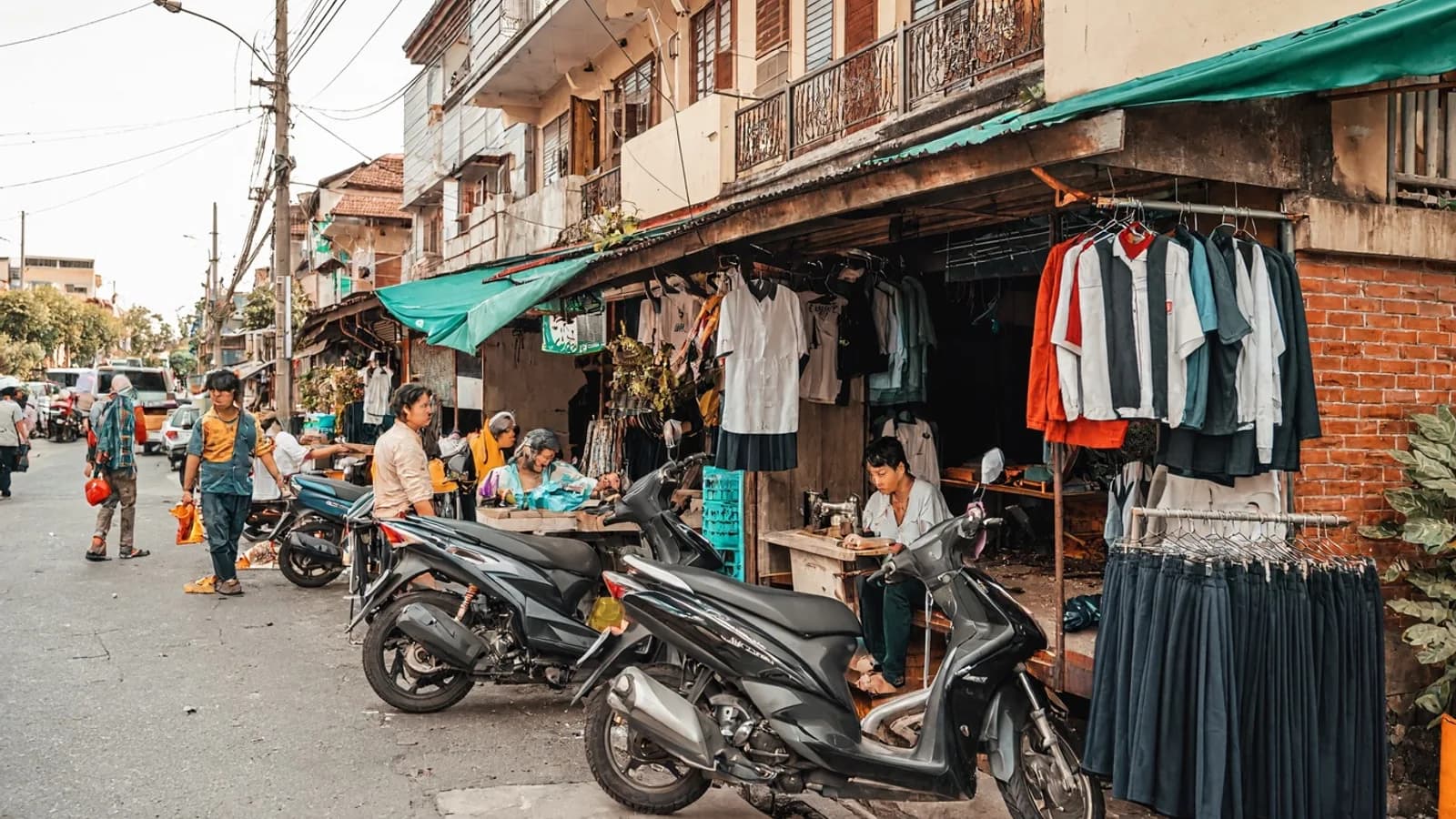
Many tailors and alteration specialists pick a spot simply because the rent is cheap or it is close to home. The result is often the same: packed for two weeks before Lebaran and at the start of the school year, then quiet for months. The right location can keep your sewing machine busy all year. This guide helps you read who your likely customers are, when they come, and what to check before you sign a lease.
Who are your customers, really?
A tailoring business does not rely on one type of buyer. Before judging a site, identify the customer groups you are most likely to serve, because each one looks for a different kind of location.
Everyday alterations: shortening trousers, replacing zips, taking in waists, patching tears. Small but frequent jobs from people who want somewhere close and easy to stop.
School and office uniforms: busy at the start of the school year and when offices change uniforms, sometimes as bulk orders.
New garments: kebaya, gamis, batik shirts, party wear. Customers will travel further for good work, but need a comfortable fitting space.
Referrals from clothing shops: people who buy trousers or gamis at the market or a clothes shop and need them adjusted straight away.
Boarding-house residents and workers: want quick alterations and opening hours that fit after-work times.
The busy seasons that shape your whole year
Tailoring revenue follows the calendar closely. A good site has more than one source of peak demand, so the quiet months are not too deep.
Season | Type of order | What to check around the site |
|---|---|---|
New school year | School uniforms, shortening and taking in uniforms | Number and level of schools nearby, school cooperatives selling fabric |
Before Lebaran and Christmas | Gamis, baju koko, kebaya, adjusting new clothes | Markets and clothes shops nearby, housing density |
Wedding and graduation season | Kebaya, suits, matching family outfits | Function halls, campuses, decoration rental businesses nearby |
Office uniform changes | Bulk orders of shirts and trousers | Government offices, banks, factories, private schools |
All year | Everyday alterations | Resident traffic, boarding houses, workers passing daily |
Ask tailors who have worked in the area for years when they are busiest and when they are quietest. Their answers are far more useful than your own guesses.
Where orders come from around a site
Markets and clothing shops
Traditional markets and rows of clothes shops are very helpful neighbours. People who buy long trousers almost always need the hems shortened. If you are a few steps from a clothes shop, buyers can come straight over. Ask a few shop owners where they usually send customers to get trousers shortened. If there is no obvious answer, that is an opening.
Schools, offices and campuses
Count the schools and offices within an easy detour for parents and employees. You can estimate the number of schools and residents per district from the Kecamatan Dalam Angka publications on the BPS website, then confirm on foot around the site.
Dense housing and boarding houses
Dense neighbourhoods provide a steady flow of everyday alterations. Watch whether residents walk or ride past the site, and at what times. Workers' boarding houses are usually busiest in the late afternoon and evening, so your hours may need to match.
Customers come twice: drop-off and pick-up
Unlike a food stall, a tailoring customer visits at least twice: to drop off and to collect, sometimes with a fitting in between. That makes the ease of a quick stop more important than raw passing numbers.
Can a motorbike stop for one to five minutes out front without trouble from a parking attendant or blocking traffic?
Is the shop on the side of the road residents use on their way home, when they have time to stop?
Is there a nearby U-turn for customers coming from the other direction?
Is the shop easy to find again for someone who has only visited once?
Workspace and building condition
A small kiosk is often enough for alterations, but make sure it is genuinely workable and safe for customers' fabric.
Space: room for a sewing machine, an overlocker, a cutting table and racks for customers' garments.
Light: sewing needs bright lighting. Check natural light and light points.
Power: motorised sewing machines, overlockers, a steam iron and lights may all run at once. Ask about the connected capacity and whether it trips when everything is on.
Damp and flooding: customers' garments ruined by a leak or standing water can wipe out months of profit and hurt your reputation.
Fitting room: important for new garments, especially for women customers who need privacy.
Noise: machine noise at night can bother neighbours in residential areas.
Work out the minimum orders to cover fixed costs
Before agreeing to a rent, calculate how many orders you need each day. The figures below are an illustration only. Replace them with the rent on offer, local prices and your own costs.
Item (example) | Illustrative monthly value |
|---|---|
Kiosk rent | Rp1,500,000 |
Electricity and water | Rp400,000 |
Neighbourhood, cleaning and other fees | Rp200,000 |
Machine depreciation and servicing | Rp300,000 |
Total fixed costs | Rp2,400,000 |
Average margin per order after materials (thread, zips, buttons) | Rp18,000 |
Minimum orders per month to cover fixed costs | about 134 orders |
Minimum orders per day (26 working days) | about 5–6 orders |
This does not yet include your own pay or a helper's wages. Add your income target to fixed costs and recalculate. Then compare with what you see on the ground: do nearby tailors seem to get that many orders on an ordinary day, not just in peak season?
Reading the competition
Tailoring competitors often do not show up on maps: home tailors without signs, roadside alteration carts, and alteration counters inside shopping centres. Walk the nearby streets and ask residents where they usually get trousers shortened.
If an established tailor always has a queue and turns down urgent jobs, demand may exceed local capacity.
If there are many cheap roadside alterations, compete on speed, neatness or new garments rather than the lowest price.
If a dense area has no tailor at all, find out why. It may be an opportunity, or residents may prefer a larger tailoring hub near the market.
Steps for surveying a site
Decide your business mix: quick alterations, new garments or bulk uniforms.
Map the schools, offices, markets, clothes shops and boarding houses around the site.
Visit in the morning, at going-home time and at the weekend to see who passes and whether they can stop briefly.
Ask two or three nearby tailors or clothes shops about peak seasons and typical prices.
Check the building: power, lighting, leaks, flooding history and space for hanging garments.
Calculate minimum daily orders using real costs and compare them with what you observed.
Field checklist to take with you
Is there a market or clothes shop within walking distance?
How many schools and offices are nearby, and at what levels?
Can motorbikes stop briefly out front without problems?
Is the site on the side of residents' route home?
Is there room for machines, a cutting table and hanging garments?
Is the lighting bright and the power enough for all equipment?
Is it free of leaks and standing water when it rains?
Is there a private fitting space?
Will machine noise at night disturb neighbours?
Do the nearest competitors look busy on ordinary days?
Does the minimum daily order count look realistic against your observations?
Conclusion
A good site for a tailoring and alterations business is not just cheap or busy. It sits close to order sources, makes drop-off and pick-up easy, offers a workable space and draws on more than one busy season. Next step: shortlist two or three sites, run the checklist on different days, calculate the minimum orders for each, and choose the one where the numbers and your observations line up best.