Choosing a Location for a Warung Makan: Local Mealtimes, Takeaway Buyers, Kitchen and Smoke to Check
A food stall needs more than a busy spot. Learn how to read local mealtimes and customer types, check the kitchen, water, gas and smoke, and work out the minimum portions you need to sell per day before you rent.
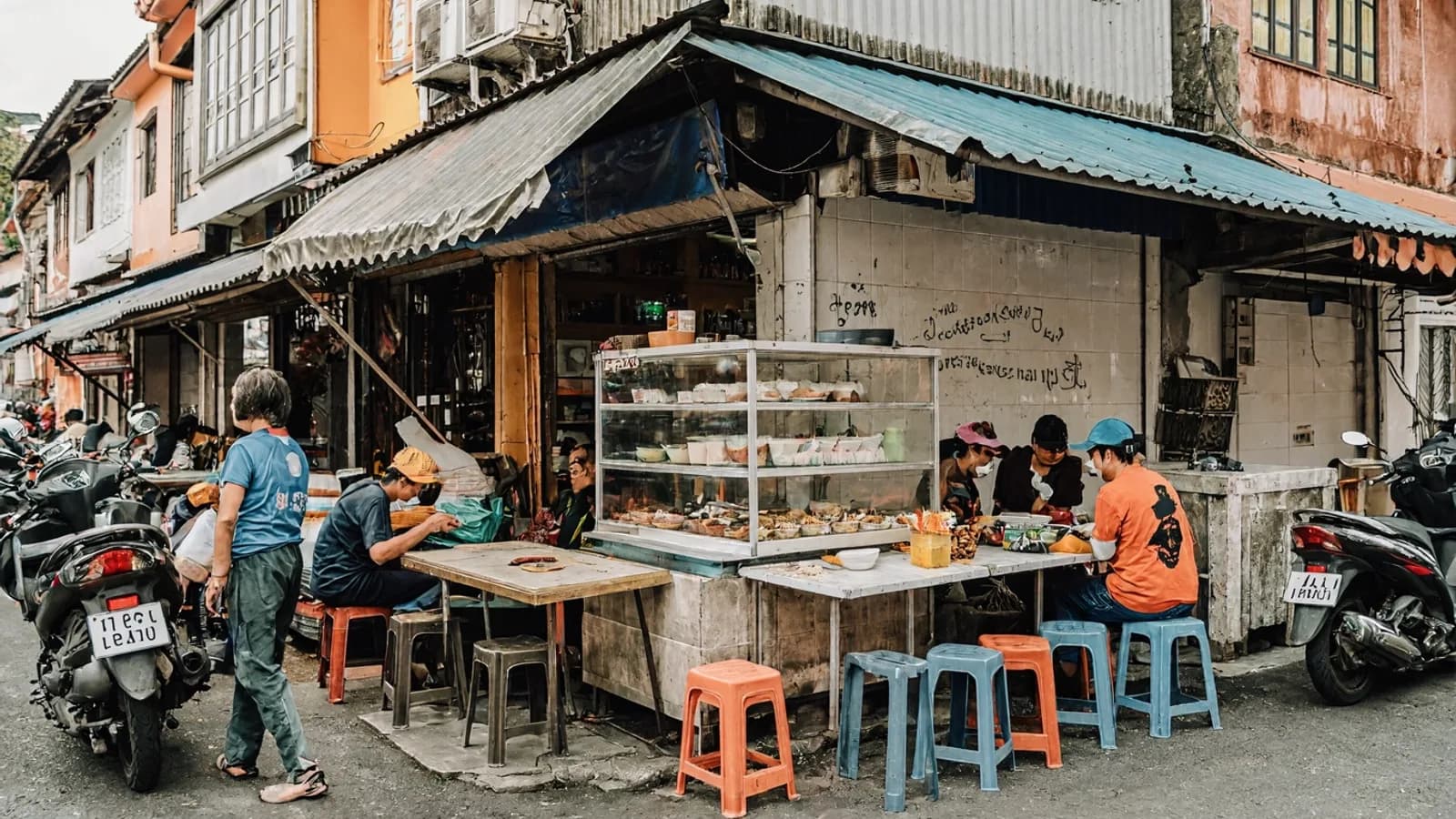
Many small eateries close not because the food is bad but because the location does not match how people nearby actually eat. A busy road is not necessarily full of hungry people, and a cramped kitchen or smoke drifting into the neighbours' homes can cause trouble from the very first month. This guide helps you assess a potential warung makan site in terms of customers, mealtimes, kitchen needs and a minimum-portions calculation, before you pay any rent.
First, know who will eat at your warung
A warung makan serves several types of customer, and each needs a different kind of location. Before viewing any shophouse, decide who your main customers will be. A site that is ideal for one group can be poor for another.
Customer type | Main traits | What they need from the site |
|---|---|---|
Dine-in (workers, drivers, students) | Come at mealtimes, want food fast and filling | Enough seating, motorbike parking, easy to stop from the road |
Takeaway (local residents) | Buy dishes for the family, often in the late afternoon | Close to housing, within a short walk or ride |
Online orders | Order through apps, delivered by riders | Clear pick-up point, easy for riders to stop, dense area within delivery range |
Regulars and small catering | Order routinely for offices, building sites or events | Near small offices, shops, construction sites; a roomier kitchen |
Most warungs get a mix of all four. What matters is guessing which share is largest. A nasi rames stall near a building site lives on dine-in customers, while a ready-cooked dishes stall at a housing estate entrance lives on late-afternoon takeaway.
Reading mealtimes around a potential site
Every neighbourhood has its own eating rhythm. Boarding-house areas are busy at night, workshop and warehouse areas at midday, family neighbourhoods in the morning and late afternoon. You need to know which peaks you can capture, because that shapes your menu, opening hours and staffing.
How to observe it on the ground
Visit the site at least at three times: breakfast (around 06:00–08:00), lunch (11:00–13:30) and dinner (17:30–20:00). Repeat on a weekday and at the weekend.
Watch the existing eateries nearby: when they have queues, when they are empty, and when they start packing up.
Count people carrying food bags or leaving other stalls with takeaway. That signals takeaway demand.
Note how many ride-hailing drivers are waiting for food orders nearby. Lots of waiting drivers means delivery demand in the area is already active.
Ask casually at other warungs, the cigarette seller or the parking attendant: what time is busiest and which day is quietest.
Competitors: lots of warungs is not always bad
A row of eateries often signals a place people already know as somewhere to eat. What you need to judge is not how many there are, but whether your menu and prices fill a gap. If there are already three nasi padang stalls nearby, a fourth with a similar menu and price will compete for the same customers. A home-style vegetable dishes stall, soto, or breakfast menu could complement them instead.
List the main menu and price range of every eatery within walking distance.
Look for hours nobody serves, for example no one open for breakfast.
Notice which stalls have queues and which are quiet, then find out why: price, portion size, taste or position.
To judge prices that fit local spending power, benchmark against the busiest stall, not the quietest.
Kitchen, gas, water and smoke: the often-forgotten part
Unlike an ordinary shop, a warung makan cooks large quantities every day. A building that looks good from the front can be a problem if its kitchen is inadequate. Check the following before agreeing to a lease.
Kitchen space and ventilation
Make sure there is room for stoves, a prep table, a washing area and ingredient storage separate from the dining area. A kitchen without a window or smoke outlet will be very hot and smoky. Ask the owner whether you may install a chimney or extractor fan, and where the smoke will go.
Smoke and smells reaching neighbours
Frying or grilling smoke drifting into neighbours' homes is the most common source of complaints. Look at the houses behind and beside the shophouse. If residents' windows face the smoke outlet directly, the risk is high. Talk to the local RT head before renting, especially if your menu involves a lot of grilling or frying.
Water, drainage and gas
Check water pressure and clarity at peak hours. A warung needs plenty of water to wash ingredients and dishes.
Inspect the drains: whether they flow well, where the water goes and whether they often block. Greasy waste quickly clogs small drains, so ask whether you may fit a grease trap.
Ask whether the owner allows a certain number of gas cylinders on site and where they can be stored safely.
Check the electrical capacity if you will run fridges, freezers or a large rice cooker.
Seating, parking and pick-up point
For dine-in customers, seat count caps your lunchtime revenue. If the peak lasts about two hours and each person eats in roughly 15–20 minutes, each seat can only be used a handful of times. Roughly calculate how many people you can serve during the peak, then compare that with what you observe on site.
Most warung customers arrive by motorbike. Make sure there is motorbike parking in front, or at least space to stop briefly without blocking the road. For online orders, a safe stopping point for riders means orders get picked up faster.
Work out minimum daily portions before you rent
Once you know rough prices and costs, calculate how many portions you must sell each day to cover fixed costs. The figures below are an illustration only. Replace them with the rent, wages and ingredient costs from your own survey.
Item (example) | Illustrative figure | Notes |
|---|---|---|
Annual rent | Rp30,000,000 | Equal to Rp2,500,000 per month |
Other fixed costs per month | Rp4,000,000 | For example one helper's wage, electricity, water, base gas |
Total fixed costs per month | Rp6,500,000 | Monthly rent plus other fixed costs |
Average selling price per portion | Rp15,000 | Match the prices at busy stalls nearby |
Ingredient cost per portion | Rp8,000 | Including rice, dishes, spices, packaging |
Gross margin per portion | Rp7,000 | Selling price minus ingredient cost |
Portions per month to break even | About 929 | Rp6,500,000 divided by Rp7,000 |
Portions per day (26 trading days) | About 36 | Before any profit for you |
Then compare that number with what you observed. If you saw neighbouring stalls serving dozens of people at lunch, a target of 36 portions a day seems reasonable. If very few people were eating around the site during your survey, you need cheaper rent, a higher margin or a different location. Remember that online orders usually carry an app commission, so the margin per portion through that channel is smaller. Check the commission rate directly in the partner app you plan to use.
Field checklist before renting a warung makan space
Surveyed at breakfast, lunch and dinner, on weekdays and at the weekend.
Know your main customer type: dine-in, takeaway, online or regulars.
Noted the menu, prices and hours of eateries within walking distance.
There is a menu or time slot competitors do not serve.
The kitchen is big enough and separate from the dining area.
Smoke can be vented without going straight into neighbours' homes.
The owner allows a chimney, extractor fan and gas storage.
Water is sufficient at peak hours and drainage flows well.
Electrical capacity is enough for fridges and cooking equipment.
There is motorbike parking and a stopping point for delivery riders.
You have spoken to the RT head or nearest neighbours about your plans.
The minimum daily portions figure is realistic against the crowds you observed.
Use data to narrow your options
Before heading out, you can compare population and density across several districts using free publications from BPS, such as the Kecamatan Dalam Angka series. This helps you judge whether there are enough residents for takeaway trade. But data cannot replace direct observation of mealtimes, competitors and kitchen conditions, so still do the survey.
Conclusion
A good warung makan location is one where your customers are genuinely hungry during your opening hours and your kitchen can work without bothering the neighbours. Next steps: decide on your main customers, survey candidate sites at three mealtimes, check the kitchen, smoke, water and drainage, then calculate minimum daily portions with your own figures. If the numbers and your observations line up, you are ready to negotiate the rent.