Taking Over a Shop Where a Business Closed: How to Find Out Why the Last Tenant Failed Before You Sign
Empty shophouses left by a closed business are often cheap and ready to use, but the site itself may be hard to make work. Learn how to trace a unit's tenant history, separate location problems from business problems, and know when to walk away.
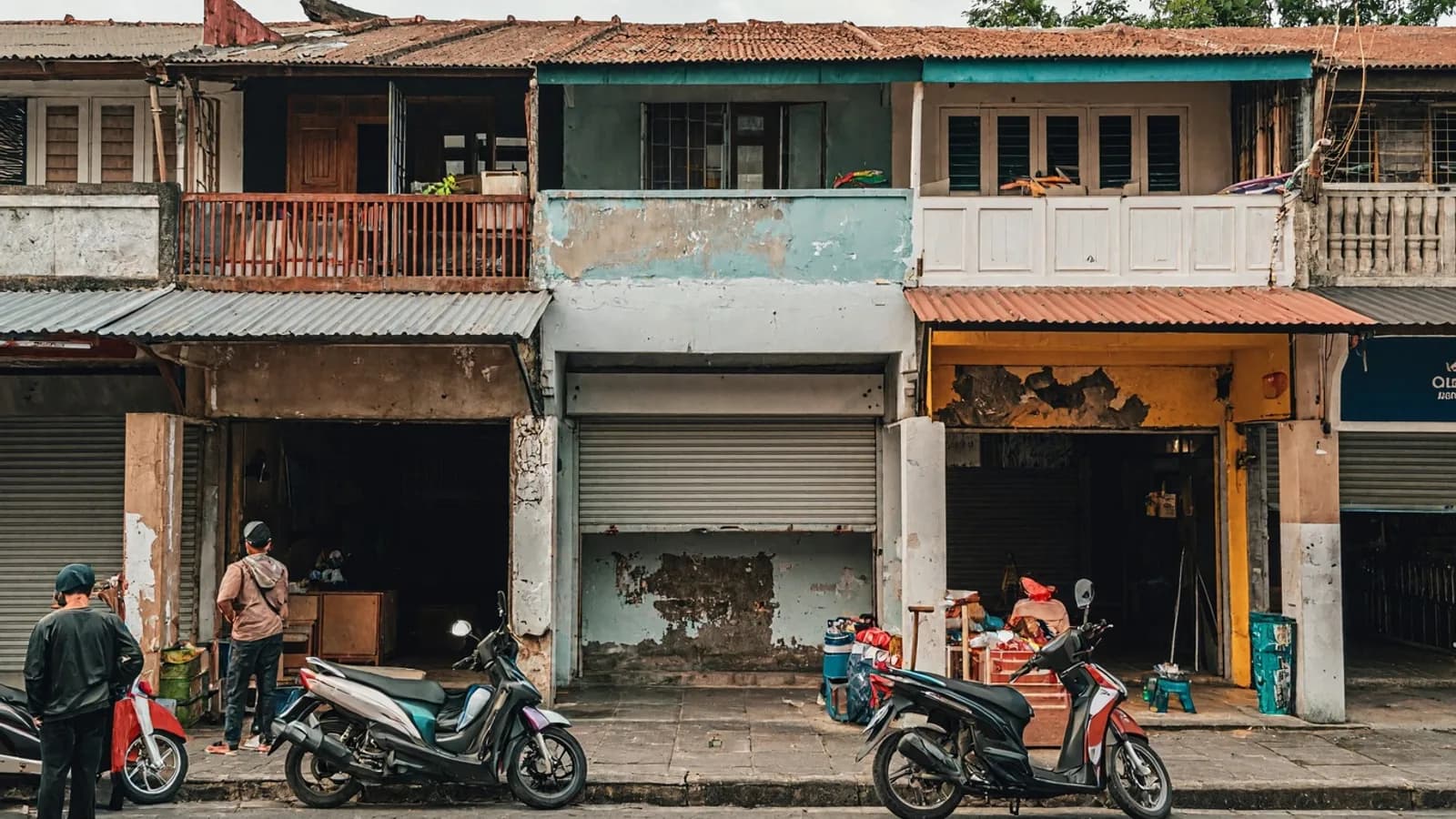
You have found an empty shophouse renting for less than the units around it. The old counter, plumbing and even the awning are still there. The landlord says the previous tenant "went back to their hometown". It sounds like a bargain, but there is one question people rarely ask seriously: why did the last business close? If the answer lies in the location itself, you risk repeating the same failure with your own money.
This guide helps you trace a site's history, work out whether the previous tenant failed because of the location or because of how they ran the business, and then decide with a clearer head.
Why the Previous Tenant's Story Matters
Every business that has operated at an address is a kind of trial someone else has already paid for. They tested the passing trade, local spending power, access and how the building holds up. Their result, success or failure, is free data for you, as long as you are willing to dig.
The trouble is that the explanations you hear are usually short and incomplete. A landlord wants the unit filled quickly, so it is natural to offer the most neutral explanation. Neighbours may only know part of the story. That is why you need several sources and must compare them.
Signs a Site Keeps Changing Hands
Before you dig deeper, look for these early signals. One sign alone is not necessarily a problem, but several together should put you on alert.
Layers of old signage: leftover bolts, patches of different paint, or stickers from several different brands.
A long vacancy: the "for rent" banner has faded or the phone number has been changed.
Repeated rent cuts: the landlord offers discounts easily, without much haggling.
Many empty units in the same row: the problem may be the whole stretch of road, not just one unit.
Unrelated businesses one after another: a food stall, then a phone credit kiosk, then a laundry, each lasting only a short time.
Steps to Investigate a Site's History
List the businesses that have operated at the address over roughly the last three to five years.
For each, find out how long it lasted and what kind of business it was.
Find out why it closed from at least three different sources.
Group the causes: location problems, business problems, or the owner's personal circumstances.
Judge whether those causes would also affect your business.
Talk to Neighbours and Nearby Traders
Stall owners, parking attendants, motorbike taxi drivers and estate security guards usually know the most. Visit as a customer first, buy something small, then ask casually. Open questions work better than leading ones: "What used to be in that shop? Was it busy?" rather than "It was quiet there, wasn't it?"
Ask the Landlord Directly
Be polite but specific: how long did the last tenant stay, did they renew or leave mid-lease, and were there any complaints about the building? Evasive or shifting answers are information too.
Look for Online Traces
Search the address or the old business name on Google Maps. Closed businesses often still appear marked as permanently closed, with customer reviews. Read them: were the complaints about price and service, or about difficult parking, flooding and empty streets? In some areas Street View also keeps older imagery, so you can see past signage and what the road looked like then. The old business's social media, such as a closing or moving announcement, sometimes mentions the reason.
Observe at Different Times
Check what people tell you against what you see. Visit in the morning, at midday, in the evening and at the weekend. If everyone says it is "quiet", count for yourself how quiet, and quiet for which kind of customer.
Location Problem or Business Problem?
This is the heart of your investigation. A business can close for reasons that have nothing to do with the address, and vice versa. The table below helps sort the causes you will commonly hear.
Reason you hear | Type of problem | Could it happen to you? |
|---|---|---|
Customers struggled to park or had to make a long U-turn | Location | Yes, unless your business does not rely on customers who drive |
Frequent flooding or leaks in the rain | Location and building | Yes, unless it can be fixed and the landlord will pay |
Prices too high for local residents | Business (market fit) | Possibly, if you target the same price level |
Poor taste or service, bad reviews | Business | Less likely, if your product is stronger |
Owner fell ill, moved city or fell out with partners | Personal | Not related to the location |
A big competitor opened nearby | Local market | Yes, if you sell something similar |
Rent rose sharply at renewal | Lease | Yes, check your rent increase clause |
Road closed or diverted for a project | Location (temporary or permanent) | Depends on whether the project has finished |
Also consider the type of business that failed. A laundry closing on a main road does not mean a coffee shop will fail there, because the customers behave differently. But if a business like yours has already failed twice at the same address, treat that as a serious warning.
The Upside: A Former Business Can Save You Money
Not every vacated shop is a trap. If it closed for reasons unrelated to the site, you may gain existing electrical and water fittings, partitions or a kitchen you can reuse, and an address locals already know as a place to shop.
Sometimes the outgoing tenant offers a lease takeover for a fee covering the remaining term and equipment. Work out its value carefully. Here is a simple illustration; the figures are only examples and should be replaced with a real offer.
Item (illustration) | Lease takeover | Starting from scratch |
|---|---|---|
Remaining 8 months of rent | Rp20 million | New 12-month lease: Rp33 million |
Electrical and water fittings | Already in place | Example: Rp8 million |
Counters, shelves, awning | Included, used condition | Example: Rp12 million |
Takeover fee requested | Rp15 million | None |
Upfront total (illustration) | Rp35 million | Rp53 million |
In this example the takeover looks cheaper, but remember you only get 8 months, and at renewal the landlord can set a new price. Make sure the landlord approves the takeover in writing, because many leases forbid tenants from transferring the lease without permission.
Questions to Ask the Landlord
How many tenants have there been in the last five years, and how long did each stay?
Did the last tenant leave mid-lease or when the lease ended?
Has the unit ever had flooding, leaks or electrical problems?
Why is the rent now lower than the unit next door?
Are there any plans for road works, widening or changes to traffic direction nearby?
Will repairs be the landlord's responsibility before handover?
Field Checklist for a Previously Occupied Shop
List of businesses at this address gathered (at least the last 3 years).
Reasons for closing confirmed by at least three different sources.
Online reviews of the old business read, with location complaints separated from product complaints.
Neighbouring and opposite units checked: are many of them empty?
Damp marks, wall cracks and roof condition inspected.
Electrical capacity and meter checked, including any unpaid old bills.
Site visited in the morning, at midday, at night and at the weekend.
Your business compared with the old one: same customers or different?
If taking over a lease: written landlord approval and an itemised equipment list in hand.
When to Walk Away, When to Go Ahead
Consider walking away if a business like yours has failed there more than once, if the reasons keep pointing to access, flooding or a dead stretch of road, or if the landlord cannot answer basic questions honestly.
Go ahead with confidence if the closure was clearly personal or down to the old business's quality, if you are targeting different customers, and if your own field observations show enough potential buyers to meet your sales target.
Conclusion
A shop left by a closed business is not automatically unlucky, nor automatically a cheap opportunity. Before handing over the rent, spend a week or two tracing its history: talk to neighbours, read the online traces and watch the site yourself. Your next step: pick one vacated shop you are considering, work through the checklist above, then compare the results with your rent calculation and sales target before you decide.