Renting a Kiosk at a Petrol Station: How to Judge Who Really Stops, Kiosk Position and the Operator's Rules
Hundreds of vehicles pull into a petrol station every hour, but most just fill up and leave. Learn how to count the visitors who matter, choose the right kiosk position on the forecourt and read the operator's rules before you rent.
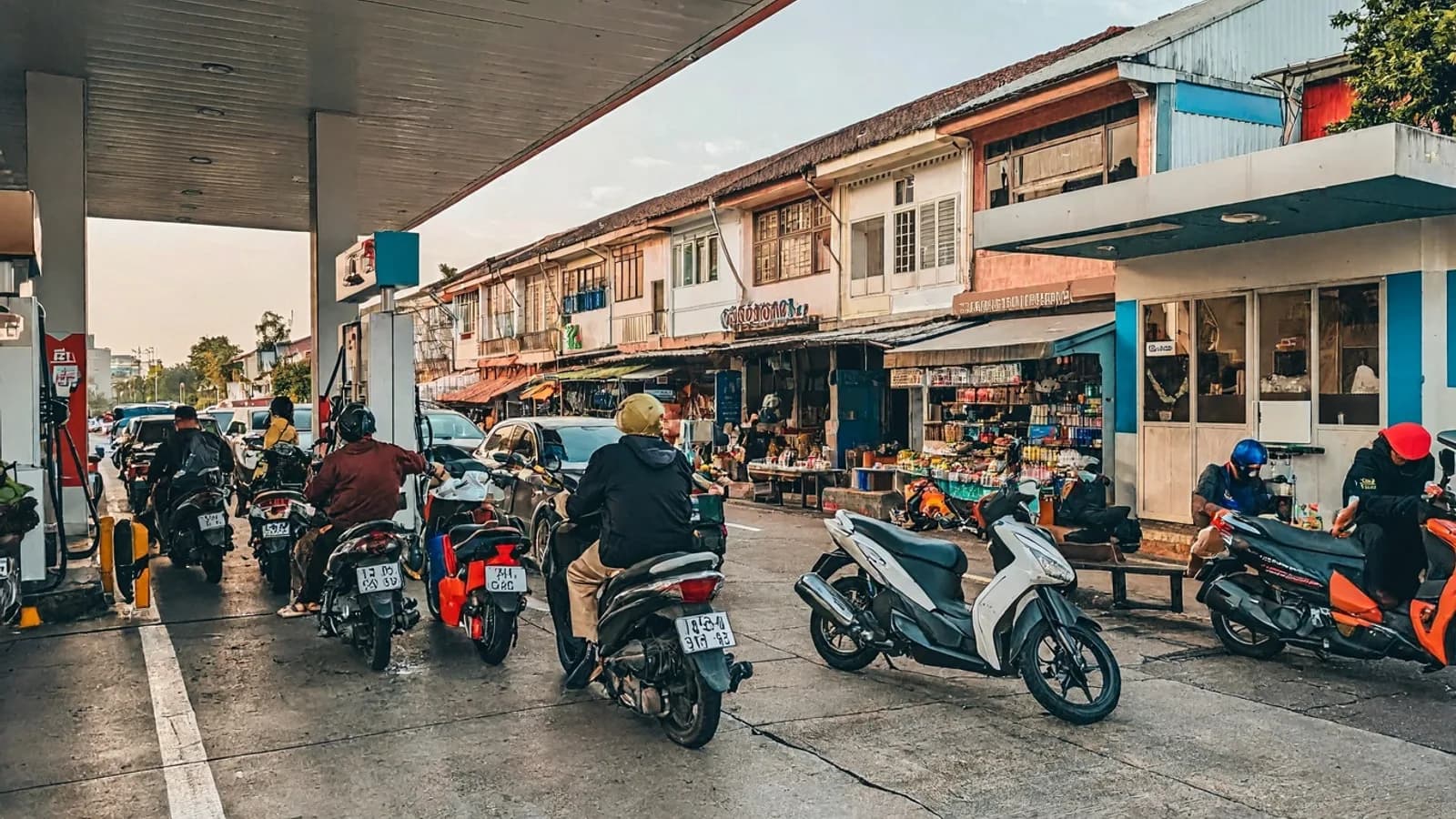
A kiosk at a petrol station (SPBU) looks very tempting: vehicles arrive non-stop, toilets and a prayer room get people out of their cars, and some stations are open 24 hours. Yet many owners are disappointed after a few months, because most drivers simply fill up, pay and drive off. This guide helps you tell the difference between vehicles passing the pumps and people who actually stop and have time to buy.
Who Actually Stops at a Petrol Station
Not every visitor is the same. Before you count anything, get to know the usual groups, because each has different amounts of spare time and different needs.
Motorcyclists who only fill up. The largest group, but with the shortest stop. They rarely get off the bike unless the queue is long.
Private car drivers. More likely to get out for the toilet or prayer room, especially on out-of-town routes and family trips.
Truck, bus and shuttle drivers. Often stay longer to rest, eat and wash, particularly on intercity roads.
Ride-hailing riders and couriers. Can become regulars, dropping by several times a week for drinks, a charging socket or shade.
Local residents. At city stations, some buyers are neighbours who come specifically because the kiosk stays open late.
The key question: which group dominates at the station you are considering, and does your product match how long they stop?
Businesses That Suit a Petrol Station and Those That Do Not
Because most people stop only briefly, successful kiosks usually serve within minutes or sell things people buy without much thought. The table below is a general guide, not a fixed rule; adjust it to the site.
Type of business | Fit | Why |
|---|---|---|
Cold drinks and ready-to-go coffee | High | Quick purchase for thirsty or tired drivers |
Snacks, bread, packaged souvenirs | High on intercity routes | Travellers like to buy supplies or gifts while resting |
Full meals (rice, noodles) | Medium | Works if many drivers and travellers take long breaks |
Vehicle accessories and light servicing | Medium | Useful, but depends on operator rules and available space |
Businesses needing appointments or long service | Low | Station visitors rarely have the time or intention to come specially |
How to Estimate Buyers, Not Just Vehicles
Operators often quote vehicle numbers to persuade potential tenants. Those figures are useful, but you need to filter them down to likely buyers. Do the following yourself on site.
Count vehicles entering per hour at several times: morning commute, midday, evening commute and night. Separate motorbikes, cars and trucks or buses.
Count people who get out and walk to the toilet, prayer room, ATM or minimarket. These are the people who could see your kiosk.
Note how long they stay. Someone stopping for more than five minutes is far more likely to buy than someone stopping for two.
Watch existing kiosks. Count how many people actually buy in one hour at other kiosks at the same or a similar station.
Repeat on weekdays and weekends, and if possible before a long holiday, because patterns at out-of-town stations can change sharply.
An Illustrative Calculation
The figures below are an illustration of the reasoning only. Replace them with your own counts from the site.
Stage | Example figure | Notes |
|---|---|---|
Vehicles entering per day | 1,500 | From hourly counts multiplied by opening hours |
People getting out and walking | 20% = 300 people | Percentage from direct observation |
Seeing and approaching the kiosk | 30% = 90 people | Strongly affected by kiosk position |
Actually buying | 50% = 45 transactions | Compare with other kiosks already trading |
Average spend | Rp15,000 | Adjust to your product prices |
Estimated daily revenue | Rp675,000 | Compare with rent and other costs |
This example shows how 1,500 vehicles can shrink to just a few dozen sales. If your estimated revenue does not cover rent, wages and stock with a reasonable margin left over, do not be swayed by large vehicle counts.
Kiosk Position Within the Station
Within one station, a few metres can make a big difference. Watch how people move once they leave their vehicles.
Near the toilets and prayer room is usually the best spot, because this is where people walk and often wait for family members.
Visible from the pump queue, especially long motorbike queues at peak times, so people can decide to stop after filling up.
On the exit side, not the entry side. Drivers rarely stop before refuelling; they relax once they are done.
Short-stay parking in front of the kiosk. If cars must park far away, many will not bother.
Not hidden by the minimarket or price boards. Check from the driver's point of view, not just from the kiosk front.
Assessing the Station Itself
Beyond kiosk position, the station's character matters. Intercity stations tend to attract travellers and drivers who rest longer, but a new toll road can divert that traffic. City stations see more motorbikes and ride-hailing riders with short stops.
Traffic direction. A station on the evening-commute or out-of-town side often has a different peak pattern from one on the opposite side.
Opening hours. Is the station open 24 hours, and may your kiosk stay open at night too?
Competitors inside the station. If a minimarket or food outlet already sells similar products, you need something clearly different.
Planned renovations or road changes. Ask the operator and check local news; renovation can close the kiosk area for weeks.
Reading the Agreement With the Station Operator
Petrol stations are usually run by a specific operator, who sets the rules for kiosk tenants. Do not rely on a verbal deal. Ask for a written agreement covering the following.
Cost structure: fixed rent, revenue share or a mix, and when and how payment is made.
Permitted opening hours and whether you must open at certain times.
Electricity and water: your own meter or shared with the station, the tariff, and the maximum load allowed.
Banned products and equipment, such as stoves, gas cylinders or goods that compete directly with the station's minimarket.
Contract length and renewal, including what happens if the station is renovated, changes operator or closes temporarily.
Display rules: the size of signs, banners and decorations you may put up.
Responsibility for cleaning and security, including rubbish and damage.
Vehicles entering a petrol station are potential visitors, not potential buyers. What you are really renting is a few minutes of attention from people stepping out of their vehicles.
Field Survey Checklist for a Petrol Station Kiosk
Take this checklist with you, visiting on at least two different days and at several times.
Vehicles entering per hour, split into motorbikes, cars, trucks or buses
Share of people who get out and walk
Average length of stay
Distance from the kiosk to toilets, prayer room and exit lane
Kiosk visible from the pump queue and from exiting vehicles
Short-stay parking in front of the kiosk
Competing products at the minimarket or other outlets
Transactions per hour at other kiosks already trading
Written permission for stoves, gas and electrical equipment
Source and tariff of electricity and water
Permitted opening hours, including night-time
Planned station renovations or nearby road changes
Previous tenants' experience, ask directly if you can reach them
Conclusion: Count People Who Get Out, Not Vehicles Passing Through
A petrol station kiosk can be profitable if your product fits visitors' stopping time and the kiosk sits on the path people walk. Next step: count vehicles and people getting out at several times of day, build a revenue estimate like the example above, then compare it with the rent and the operator's written terms. If the numbers are still uncertain, consider a short trial before committing to a long contract.