Renting an Empty Plot for Your Business: How to Assess the Land, Cost a Semi-Permanent Building and Set a Lease Long Enough to Pay Back
Empty plots are often rented far more cheaply than shophouses, but you have to build everything yourself. Learn how to assess the land, cost a semi-permanent structure and work out the minimum lease length to recover your investment.
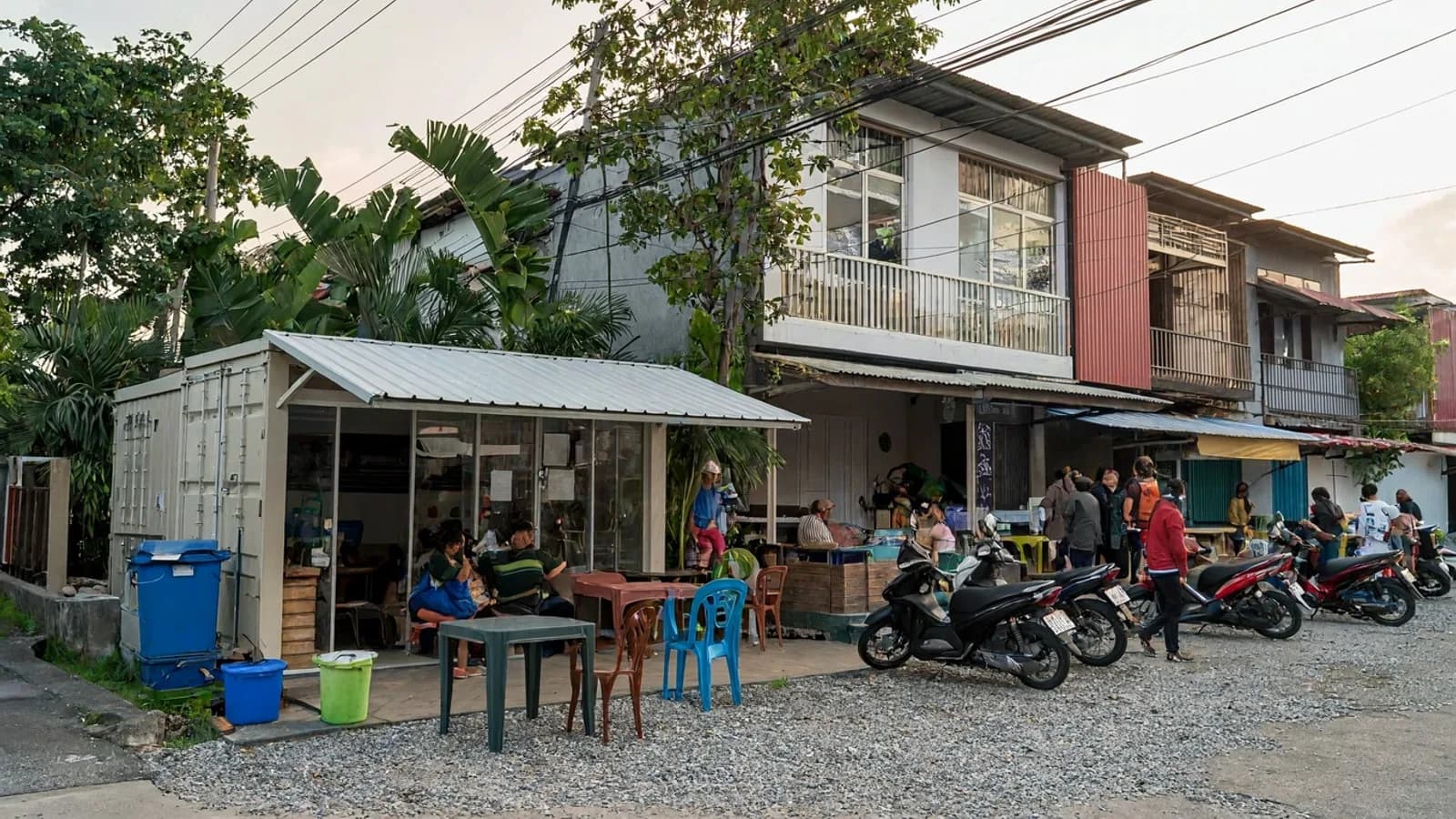
You have spotted an empty plot on a fairly busy road, and the owner is asking a yearly rent well below the shophouse next door. It is tempting: plenty of space, easy parking and full freedom over the layout. The catch is that empty land comes with no roof, no electricity and sometimes no water. You have to build all of it yourself, and that money has to come back before the lease ends. This guide helps you judge whether an empty plot really saves money for your business or quietly swallows your capital.
Which Businesses Suit an Empty Plot?
Empty land makes most sense for businesses that need lots of open space and do not require a neat, walled building. Businesses that need an enclosed, cool and secure space for valuable stock usually do better in a shophouse or kiosk.
Business type | Fit on empty land | Main reason |
|---|---|---|
Container or tent-style café and food concepts | Good fit | Needs open seating and generous parking |
Motorbike and car wash | Good fit | Needs queue space and a wet work area |
Building materials yard (sand, stone) | Good fit | Needs stockpile space and truck access |
Small food court | Good fit with a long lease | Many stalls, needs land and parking |
Simple motorbike workshop | Reasonable fit | Needs a covered work area and secure tool storage |
Cosmetics, optical or phone shop | Poor fit | Needs an enclosed, cool space and secure displays |
Pharmacy or clinic | Poor fit | Stricter building and licensing standards |
This is only a general picture. The key point: the bigger the share of building costs in your budget, the longer the lease you need for empty land to stay worthwhile.
Assess the Land Before the Price
Access and frontage
Measure the width of the plot facing the road, not just its total area. A 300-square-metre plot with a narrow frontage that runs deep is often less attractive than a smaller but wider one. Check for high kerbs, open drains or large trees that block vehicle entry. A small bridge over the drain and raising the entrance are extra costs people often forget.
Ground level and flooding
Many plots stay empty precisely because they sit below the road and flood. Compare the ground with the road surface, look for mud marks or flattened grass, and ask neighbours what happens in heavy rain. If the land needs filling, get quotes from several fill suppliers, as the cost can be significant.
Electricity and water
Empty land usually has no power connection. Check the distance to the nearest electricity pole and ask PLN through its official office or service channels about the procedure and cost of a new connection at the capacity you need. For water, find out whether the municipal water network runs along the road or whether you will need a bore well. Ask nearby owners how deep their wells are and what the water quality is like.
Zoning and land status
Make sure the zoning allows your business by checking spatial planning and business licensing, for example through OSS and the local planning office. Ask for a copy of the land certificate and the owner's ID, and make sure the land is not pledged as collateral or under dispute. An owner suddenly selling the land mid-lease is the biggest risk for anyone renting an empty plot.
Costing a Semi-Permanent Building
On empty land, rent is only part of the bill. You also carry the cost of preparing the site and putting up a structure. Common choices for small businesses include converted second-hand shipping containers, light steel frames with a roof, or timber and bamboo structures. Each has a different cost and a different leftover value.
Converted container: quick to install and movable, so it keeps resale value or can go with you to a new site.
Light steel frame and roof: fairly flexible, and some materials can be dismantled and reused.
Permanent brick building: solid, but almost certainly left behind for the landowner when the lease ends.
Supporting costs: land fill, paving or hardstanding, fencing, drainage, toilets, lighting, power and water connections.
Get at least two or three quotes from contractors or container suppliers in your area. Material and labour costs vary widely between cities, so do not rely on figures from the internet.
Worked Example: Lease Length Decides Profit or Loss
The fairest way to compare empty land with a shophouse is to spread the building cost over the lease and add it to the yearly rent. Below is an illustration using example figures, not market prices. Replace them with real quotes for your site.
Scenario (illustration) | Rent per year | Build and utility costs | Value left when you leave | Average cost per month |
|---|---|---|---|---|
Empty plot, 2-year lease, building cannot be moved | Rp30 million | Rp105 million | Rp0 | about Rp6.9 million |
Empty plot, 2-year lease, container sold or moved | Rp30 million | Rp105 million | Rp40 million | about Rp5.2 million |
Empty plot, 5-year lease, building cannot be moved | Rp30 million | Rp105 million | Rp0 | about Rp4.3 million |
Comparable shophouse, 2-year lease | Rp60 million | Rp20 million fit-out | Rp0 | about Rp5.8 million |
The formula is simple: (build and utility costs minus leftover value) divided by the lease length in years, plus the yearly rent, then divided by 12. In this example, an empty plot on a two-year lease costs more than the shophouse unless the structure can be taken away. On a five-year lease, the empty plot becomes the cheapest option.
Cheap land rent means nothing if the lease is too short to recover what you spent on the building.
Steps for Negotiating an Empty-Plot Lease
Work out your minimum lease length with the formula above before meeting the owner, so you know your walk-away point.
Ask for a long lease with staged payments, such as yearly, rather than five years upfront.
Confirm who owns the structure: state in the contract that the container, frame and equipment are yours and may be removed at the end.
Settle what happens to permanent buildings: if you build permanently, ask for compensation such as reduced rent or rent-free months.
Add a clause in case the land is sold: the new owner must honour the remaining lease, or the owner repays your unrecovered building costs.
Agree renewal rights and a cap on rent increases, because once you have built, your bargaining power drops.
Clarify taxes and fees: who pays land and building tax (PBB), neighbourhood fees and security costs.
Empty-Plot Survey Checklist
Frontage width and how easily vehicles can enter and leave
Drains, high kerbs or trees that need dealing with
Ground level versus the road and flood history according to neighbours
Distance to the nearest power pole and the capacity you need
Water source: municipal network or a bore well
Zoning matches your type of business
Certificate and owner's ID checked, no dispute
Ground condition: old rubbish fill, rubble or soft soil
Lighting and security at night
Whether neighbours will object to noise and crowds
Any plan by the owner to sell or develop the land in the next few years
Written build quotes from at least two suppliers
When to Walk Away
Think about walking away if the owner will only lease for one or two years while your business needs a permanent building. The same applies if the land needs heavy filling, power has to be run a long way, or the owner will not share a copy of the certificate. Another warning sign: the owner openly says the land is being marketed for sale. In those cases, a shophouse or kiosk with higher rent is often the safer choice.
Conclusion
An empty plot can be an affordable and flexible business location, as long as you cost it as a package: rent, building, utilities and lease length. Your next steps: survey the land with the checklist above, collect build quotes, then plug the real numbers into the average monthly cost formula and compare them with the nearest shophouse. If the empty plot only pays off after three or five years, do not sign a lease shorter than that.