Opening Near a Station or Bus Stop: Huge Footfall, But Will Commuters Stop?
Thousands of people pass through a station every day, but most are in a hurry. Learn how to read commuter flow, choose the right exit, and pick businesses that suit sites around transport hubs.
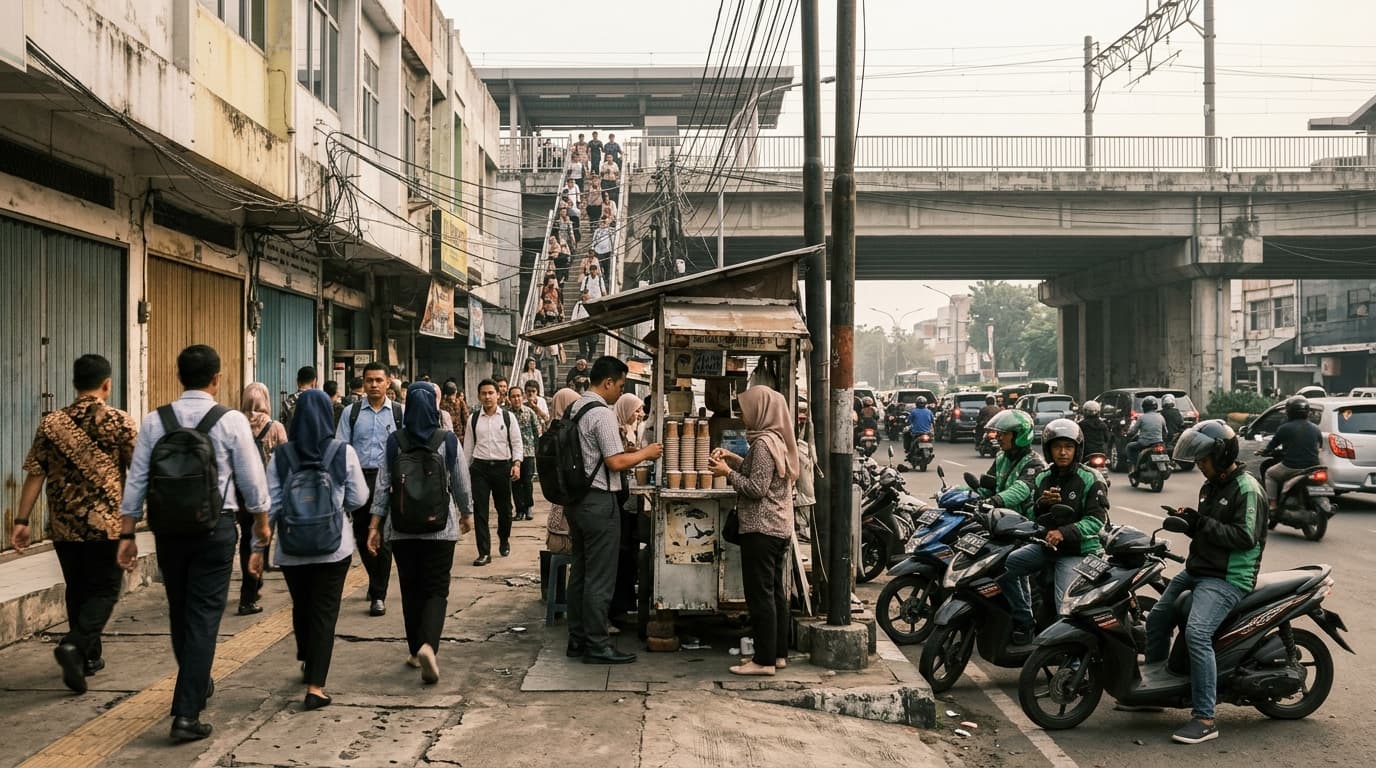
Train stations, bus stops, and terminals have the densest flow of people in many cities. It is no surprise that shophouses and kiosks around them are in demand, often at higher rents.
The catch is that most passengers are on their way somewhere else. They walk fast, carry bags, and are chasing a schedule. Footfall that looks huge can shrink dramatically when you count it as buyers.
Which exit is busiest?
The same station can have several exits with very different flows. The exit leading to dense housing, offices, or onward transport is usually far busier than the rest.
Watch the exits at peak times and note which way most passengers head after leaving.
Follow the walking routes to housing, offices, or motorbike-taxi and minibus stands. Shops on those routes, not just near the station, are the ones passengers pass.
Look out for footbridges and skybridges. A new route can pull passenger flow away from an older row of shops.
Morning and evening commuters need different things
Just as with the morning and evening sides of a road, morning and evening passengers want different things. In the morning, people heading to work want coffee and a quick breakfast. In the evening, people heading home are more likely to buy dinner, snacks, or household items.
Business type | Fit near a transport hub | Why |
|---|---|---|
Coffee, bakery, takeaway breakfast | High | Quick purchases people can carry while walking |
Convenience store, phone credit, small pharmacy | High | Last-minute needs of passengers |
Takeaway dinner | Medium–high, on the homeward route | Evening passengers have more time |
Sit-down restaurant | Medium | Depends on passengers who are not in a hurry |
Destination businesses (building supplies, furniture) | Low | Customers arrive by vehicle and need parking |
Don't forget holidays
Station flow in office districts can drop sharply at weekends and on public holidays. Stations near tourist spots or shopping centres can be busier at weekends instead. Work out revenue for weekdays and holidays separately, and make sure the rent is still covered in the worst case.
Rules and changes around stations
Areas around stations are often redeveloped: pavements are widened, informal parking is cleared, or exits are moved. These changes can help or hurt nearby shops. Also check whether the address is zoned for your type of business using our guide to zoning and permits.
How to check a site near a station
Count the passengers walking past the shop, not those leaving the station, for 15 minutes at the morning, midday, and evening peaks.
Count the people who stop at similar shops on the same route.
Repeat at the weekend to see how deep the drop is.
Turn the results into an estimate of buyers using the method in our guide to measuring foot traffic.
Faster screening with Loka
Loka by PetaAI includes a 0–100 transport score for public transport access, so you can compare how close and accessible several candidate sites are. Enter an address and business type to get a suitability score based on proximity, density, and the quality of nearby amenities, along with competitor analysis within a 1 km radius.
The score helps you build a shortlist. Watching the exits and walking routes still has to be done on the ground.
Frequently asked questions
Is a business near a station guaranteed to be busy?
No. Passenger numbers are high, but most people are in a hurry. The businesses that fit sell quick purchases or sit on the walking route of passengers heading home.
What businesses suit a site near a station or bus stop?
Takeaway coffee and breakfast, bakeries, convenience stores, small pharmacies, phone credit, and takeaway dinner on the homeward route. Businesses that need a long visit or vehicle parking are usually a poorer fit.
How do I choose the best spot around a station?
Watch which exit is busiest, follow the direction most passengers walk, then choose a shop on that route. Compare weekday and weekend flow too.